
LPG Shortage in India: Rural Women Face Greater Challenges
India has an LPG crisis. But why are women in villages suffering more?
 The Indian Express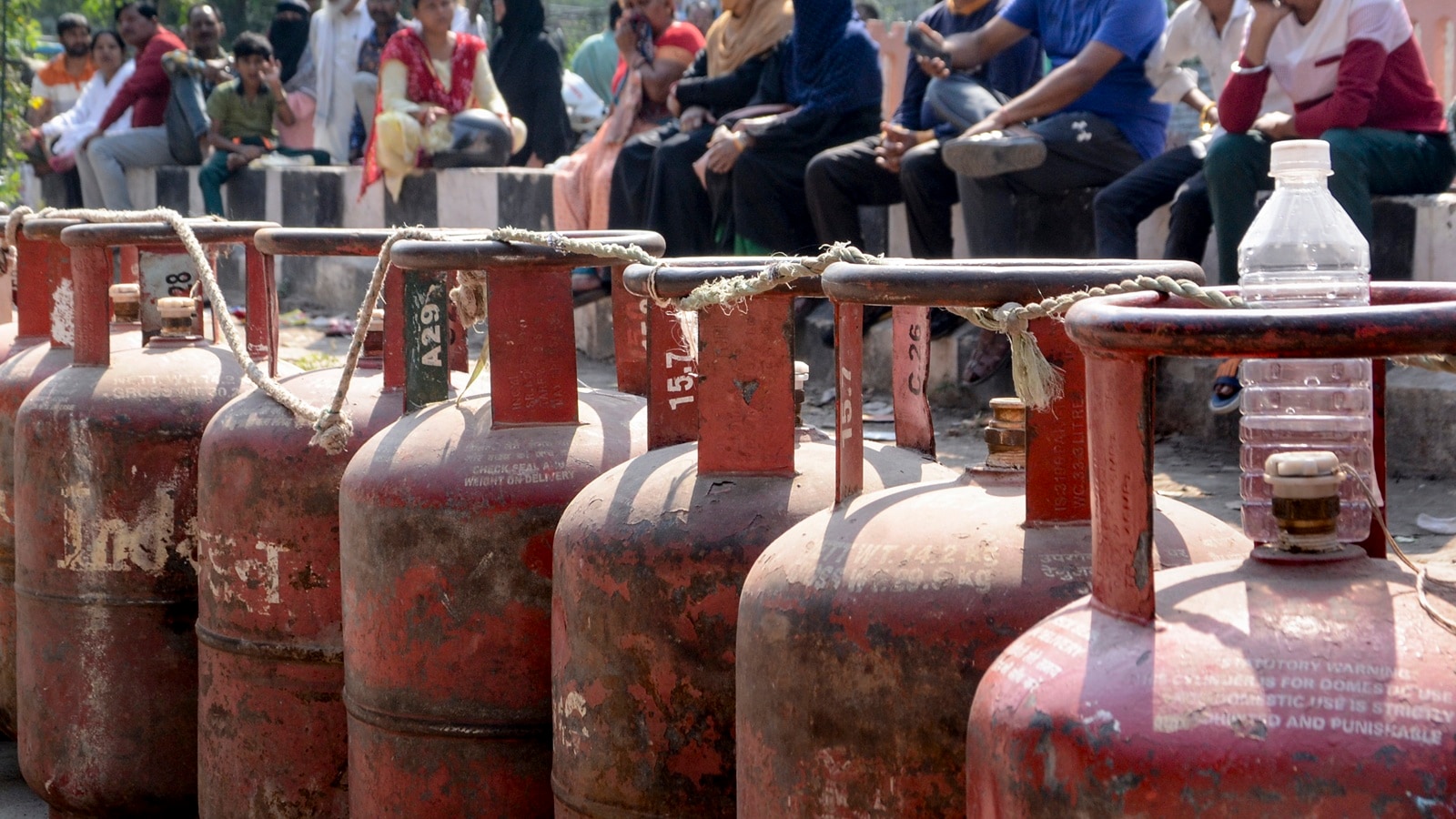
Image: The Indian Express
The ongoing LPG shortage in India, exacerbated by the war in West Asia, has led to a differentiated refill rule that disproportionately affects rural households, particularly women. While urban households can refill every 25 days, rural households must wait 45 days, reflecting a significant inequity in energy access and burden distribution.
- 01Urban households can refill LPG every 25 days, while rural households face a 45-day wait.
- 02Approximately 61% of rural households rely on LPG as their primary cooking fuel.
- 03The new refill rule creates a 20-day disparity, increasing the burden on rural households fivefold.
- 04Rural women bear the brunt of the LPG crisis, facing additional labor and health risks.
- 05The policy reflects an urban-centric perspective that overlooks the varied energy needs of rural India.
Advertisement
In-Article Ad
The LPG shortage in India, driven by geopolitical tensions, has led to a controversial refill policy that favors urban households over rural ones. Under the new rules, urban households can book a refill every 25 days, while rural households are forced to wait 45 days. This policy fails to recognize that 61% of rural households depend on LPG as their primary cooking fuel, with significant regional disparities in usage. For instance, 91.7% of households in rural Telangana rely on LPG, compared to just 30.6% in rural Chhattisgarh. The extended wait for refills disproportionately impacts rural women, who often lack alternative energy sources and face increased labor costs when resorting to traditional fuels. The policy creates a 20-day gap in energy access, reflecting a hierarchy that prioritizes urban convenience over rural needs. Furthermore, the assumption that rural households can easily revert to traditional fuels ignores the health risks associated with such practices, which are linked to 600,000 annual deaths among Indian women due to household air pollution. This situation highlights the urgent need for policies that address the unique challenges faced by rural households, particularly women, in accessing clean and reliable energy.
Advertisement
In-Article Ad
The LPG refill policy exacerbates existing inequalities in energy access, particularly affecting rural women who must rely on traditional fuels, leading to health risks and increased labor.
Advertisement
In-Article Ad
Read the original article
Visit the source for the complete story.