




Rising Supply Chain Pressures Signal Potential Inflation Risks, NY Fed Reports
Will US inflation spike again as NY Fed supply chain index jumps in March? What will happen to Fed rate cuts amid rising costs?
 The Economic Times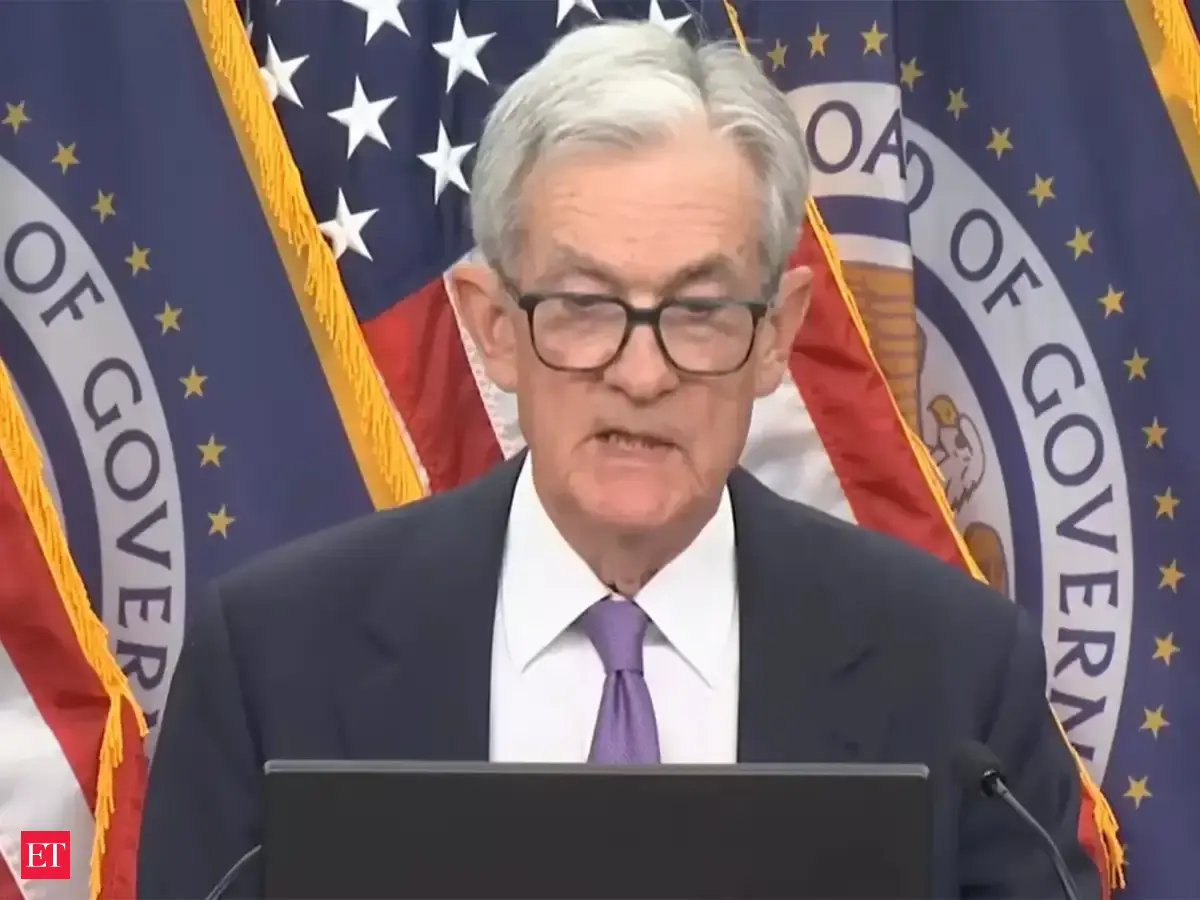
Image: The Economic Times
The Global Supply Chain Pressure Index reported by the Federal Reserve Bank of New York rose to 0.68 in March from 0.54 in February, indicating increased logistical strain. This uptick raises concerns about future inflation, potentially affecting the Federal Reserve's plans for interest rate cuts amid rising costs.
- 01The Global Supply Chain Pressure Index increased to 0.68, signaling rising logistical strain.
- 02Geopolitical tensions, particularly related to US-Israel conflicts, are disrupting shipping routes.
- 03Higher supply chain costs could lead to increased prices for consumers and businesses.
- 04The Federal Reserve may delay or reduce planned interest rate cuts due to inflation risks.
- 05Current supply chain pressures, while moderate, could complicate future monetary policy decisions.
Advertisement
In-Article Ad
In March, the Global Supply Chain Pressure Index reported by the Federal Reserve Bank of New York rose to 0.68, up from 0.54 in February, indicating a notable increase in global logistical strain. This rise, while still below the pandemic peak of 4.49 in December 2021, suggests that supply chains are under stress just as economies were hoping for stability. Analysts are particularly concerned about how this increase might influence inflation and the Federal Reserve's approach to interest rate cuts. Rising geopolitical tensions, especially the ongoing conflicts involving the US and Israel, have disrupted shipping routes, contributing to higher transport costs and slower delivery times. As businesses face increased input costs, they may raise prices, potentially leading to a cycle of sustained inflation. The Federal Reserve is likely to monitor these developments closely, as cutting rates in a rising cost environment could reignite inflation. While the current index level is moderate, it serves as an early warning of potential economic shifts that could complicate monetary policy.
Advertisement
In-Article Ad
Consumers may experience gradual price increases on goods as businesses pass on higher logistics costs, affecting household budgets.
Advertisement
In-Article Ad
Reader Poll
Do you believe rising supply chain pressures will lead to increased inflation?
Connecting to poll...
Read the original article
Visit the source for the complete story.