



Ceasefire Agreement Reached in Iran Conflict, Excludes Lebanon Amid Ongoing Tensions
Middle East crisis live: Iran war ceasefire doesn’t include Lebanon, says Israel; Trump says uranium will be ‘taken care of’
 The Guardian
Image: The Guardian
The United States and Iran have reached a two-week ceasefire, allowing passage through the Strait of Hormuz. However, Israel's Prime Minister Benjamin Netanyahu clarified that the ceasefire does not apply to Lebanon, where ongoing conflicts have resulted in significant casualties. Negotiations are set to begin in Islamabad on April 10, 2026.
- 01A two-week ceasefire has been agreed upon by the US and Iran, allowing for the reopening of the Strait of Hormuz.
- 02Israel's Prime Minister Netanyahu stated that the ceasefire does not include Lebanon, where heavy fighting continues.
- 03Iran claims victory in the conflict and plans to negotiate terms with the US in Islamabad.
- 04The ceasefire follows a month-long conflict that has significantly impacted global oil prices.
- 05Iran's proposed 10-point peace plan includes demands that the US has previously rejected.
Advertisement
In-Article Ad
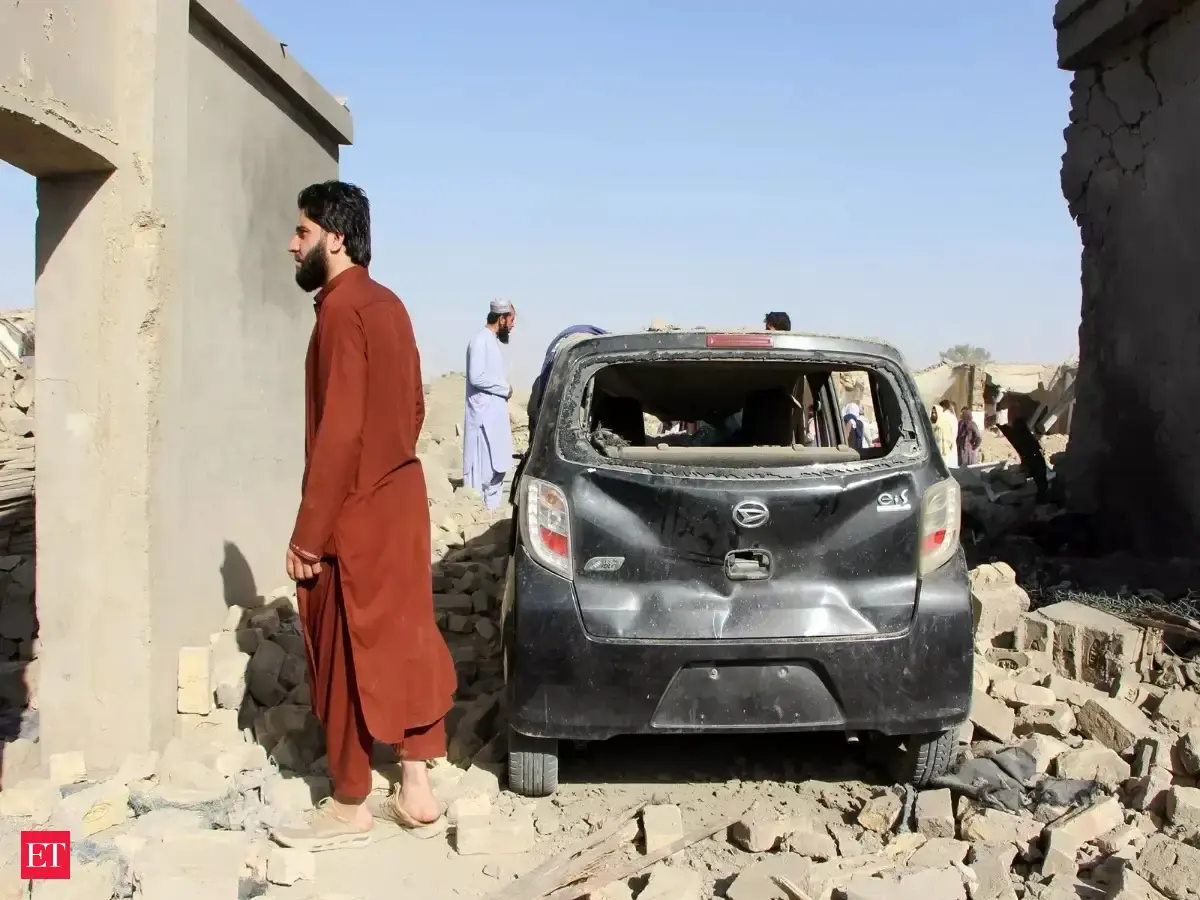
The United States and Iran have agreed to a two-week ceasefire, allowing for the reopening of the Strait of Hormuz, a crucial maritime route. This agreement comes just before a deadline set by former President Donald Trump. Both nations claim victory in the month-long conflict, which has disrupted global financial markets and driven oil prices up. However, Israeli Prime Minister Benjamin Netanyahu has stated that the ceasefire does not extend to Lebanon, where ongoing military actions have resulted in over 1,500 deaths, including many civilians. Iran's Supreme National Security Council has conditionally accepted the ceasefire, contingent upon halting attacks against Iran. Negotiations are scheduled to begin on April 10, 2026, in Islamabad, with Iran proposing a 10-point peace plan that includes demands such as the withdrawal of US forces from the region and acceptance of its uranium enrichment program. Despite the ceasefire announcement, missile alerts have continued in the United Arab Emirates, Qatar, and Israel, indicating that tensions remain high.
Advertisement
In-Article Ad
The ceasefire may reduce immediate military tensions in the region, potentially stabilizing oil prices and impacting global markets. However, continued conflict in Lebanon poses risks for regional stability.
Advertisement
In-Article Ad
Reader Poll
Do you think the ceasefire will lead to a lasting peace in the region?
Connecting to poll...
Read the original article
Visit the source for the complete story.