



Impact of Iran War on Fertilizer Supply and Kharif Season in India
Iran War: Fertiliser, agri-input stress emerges; Kharif outlook hinges on policy, farmer choices
 The Economic Times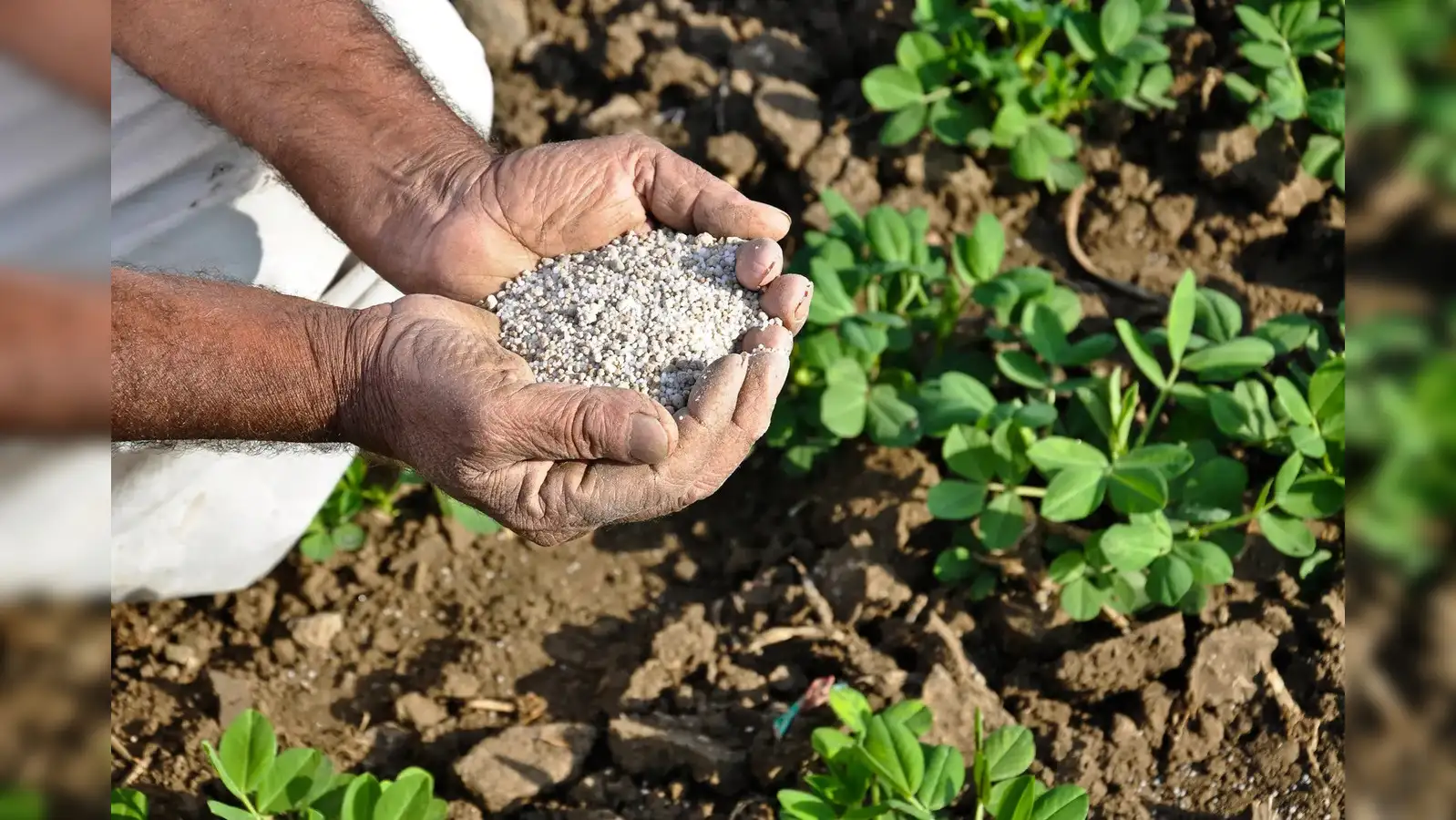
Image: The Economic Times
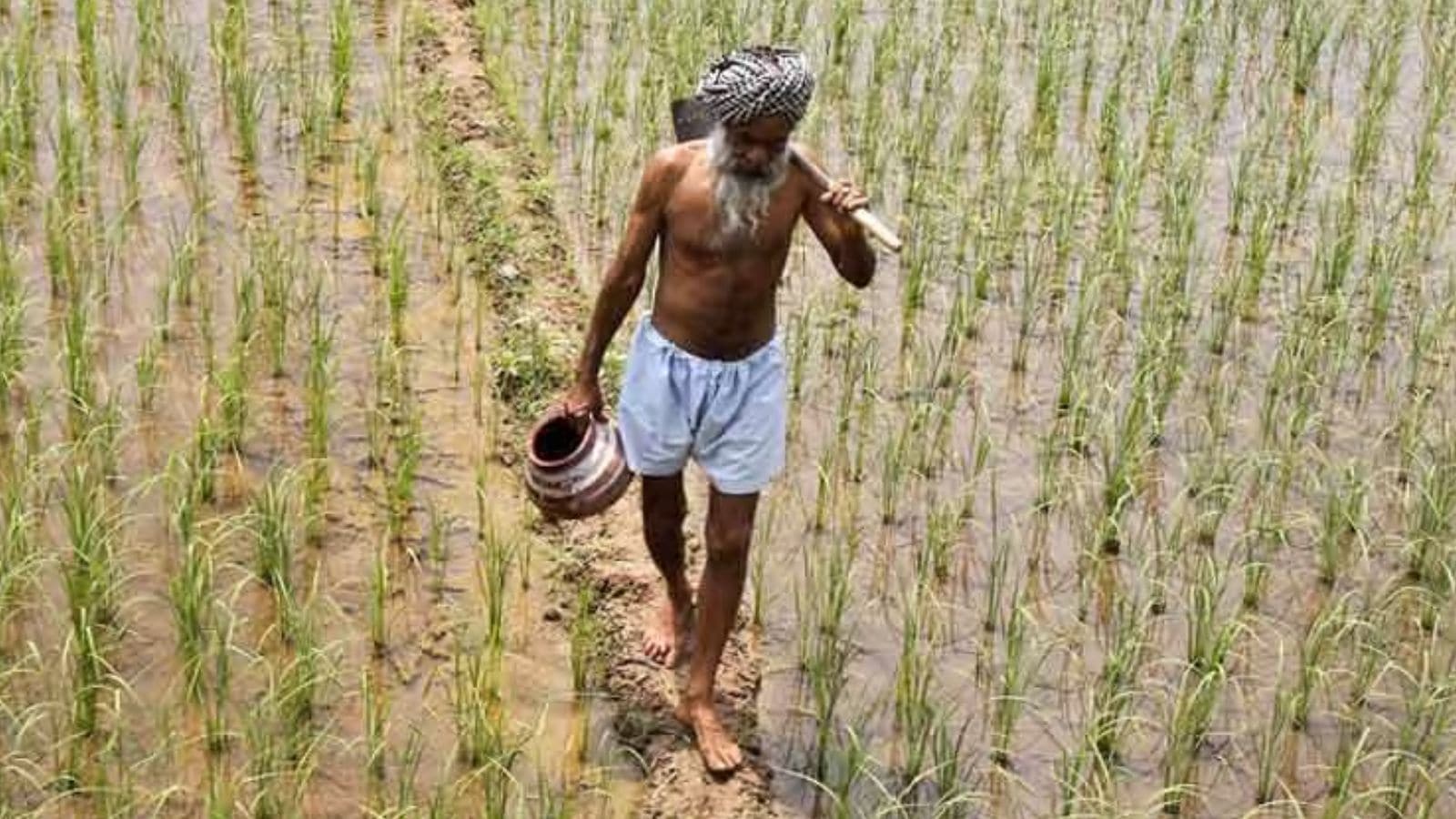
The ongoing conflict involving the US, Israel, and Iran is disrupting global supply chains, significantly impacting fertilizer availability and prices in India. Farmers like Mahendra Kumar from Harda, Madhya Pradesh, are facing soaring costs and limited access to essential agricultural inputs ahead of the Kharif season, raising concerns about crop viability and food inflation.
- 01Fertilizer prices have surged, with urea black market rates reaching ₹1,100-1,200 per kg.
- 02Diammonium phosphate (DAP) prices increased from ₹1,300 to ₹2,100-2,200 per bag since the war began.
- 03The Indian government is monitoring the situation and has sufficient buffer stocks for immediate demand.
- 04Experts warn of potential shortages and rising costs affecting farmers' margins and food prices.
- 05Reforms in India's fertilizer subsidy framework are necessary to address these challenges.
Advertisement
In-Article Ad
The ongoing war involving the US, Israel, and Iran is causing significant disruptions in global supply chains, directly affecting farmers in India, particularly in regions like Harda, Madhya Pradesh. Mahendra Kumar, a local farmer, reports a drastic increase in fertilizer prices, with urea being sold illegally at ₹1,100-1,200 per kg, compared to the official price of ₹280. The price of diammonium phosphate (DAP) has also surged from ₹1,300 to ₹2,100-2,200 per bag since the conflict began. These increases, driven by rising crude oil prices and supply chain issues, threaten the viability of farming ahead of the Kharif season. The Ministry of Agriculture and Farmers Welfare is closely monitoring the situation, with current estimates indicating a Kharif demand of 390.54 lakh metric tonnes (LMT) against an opening stock of 180 LMT, which is higher than usual. However, experts caution that prolonged disruptions could lead to shortages later in the season. The Indian Micro-Fertilizers Manufacturers Association highlights that packaging costs have risen significantly, further straining the supply chain. Stakeholders emphasize the need for reforms in the fertilizer subsidy framework to protect farmers and ensure sustainable agricultural practices amidst these challenges.
Advertisement
In-Article Ad
Farmers are facing a significant increase in input costs, which could lead to reduced crop yields and higher food prices. The financial strain on farmers may affect their profitability and ability to sustain their livelihoods.
Advertisement
In-Article Ad
Read the original article
Visit the source for the complete story.