




IMF Projects Global Economic Slowdown Amid Iran Conflict
IMF warns of slowing economic growth, rising inflation amid Iran war
 thehill
Image: thehill
The International Monetary Fund (IMF) forecasts a slowdown in global economic growth to 3.1% this year due to rising inflation linked to the ongoing war in Iran. Countries, especially low-income developing nations, face increased energy costs and economic vulnerabilities, while the Gulf region is also expected to suffer from conflict-related impacts.
- 01Global growth is projected to slow to 3.1% in 2023 and 3.2% in 2027 due to the Iran war.
- 02Low-income developing countries are expected to be hit hardest by rising energy costs.
- 03The war could lead to increased global real interest rates and tighter financial conditions.
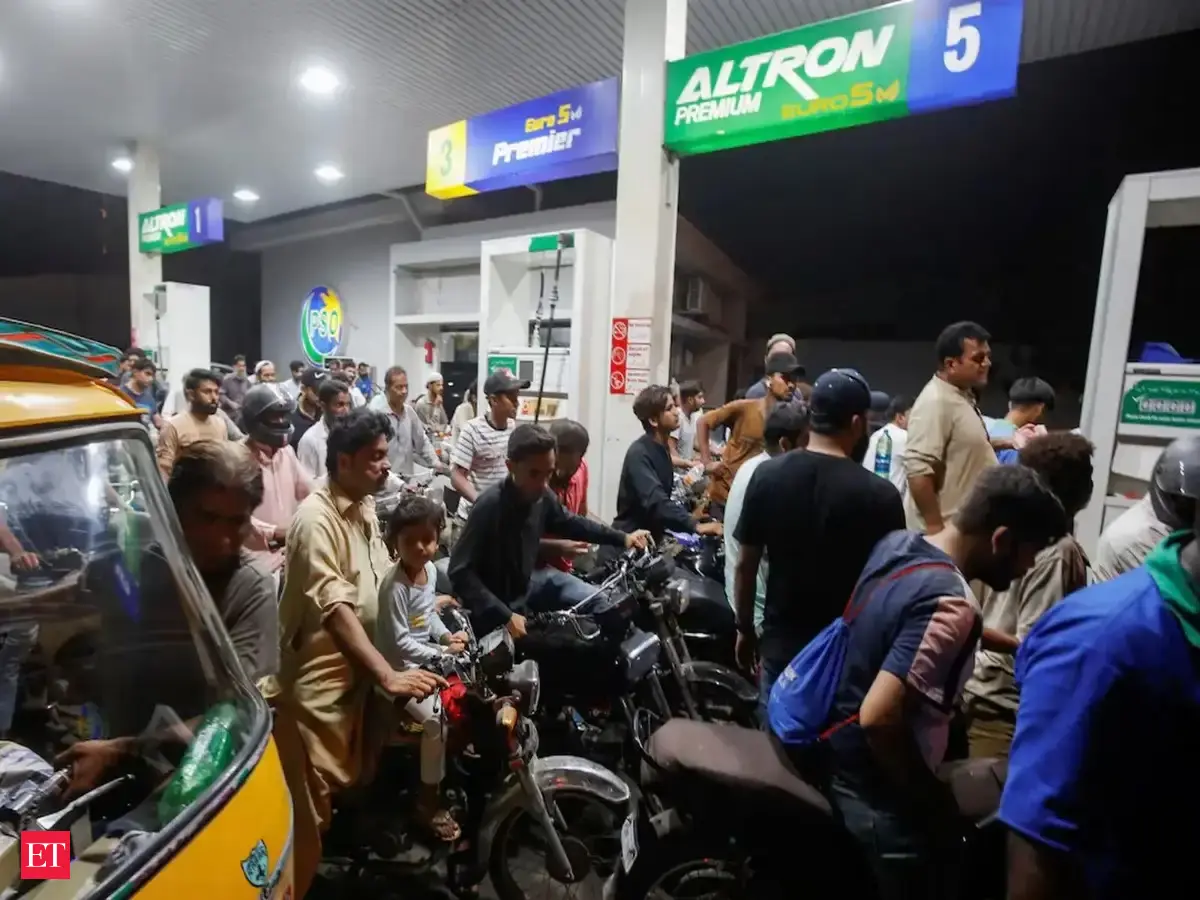
- 04Countries like Pakistan, Nepal, and Sri Lanka are adjusting energy usage amid reduced oil transport from the Middle East.
- 05The IMF emphasizes the need for global cooperation to mitigate economic damage from the conflict.
Advertisement
In-Article Ad
The International Monetary Fund (IMF) has released a bleak economic outlook, projecting a slowdown in global growth to 3.1% for 2023 and 3.2% for 2027, primarily due to rising inflation exacerbated by the ongoing war in Iran. The conflict is expected to disrupt energy supplies, particularly affecting low-income developing nations that are already vulnerable economically. The IMF report highlights that energy importers will face increased costs, and Gulf region energy exporters will also suffer from conflict-related damages and production closures. Countries supplying migrant workers may experience remittance losses, further straining their economies. In response to the crisis, South Asian nations like Pakistan, Nepal, and Sri Lanka are implementing measures to reduce energy consumption. The IMF stresses that global cooperation is essential to mitigate the economic fallout, advocating for policies that promote stability and the reopening of critical trade routes like the Strait of Hormuz. Without such measures, the economic impacts could escalate, leading to higher global interest rates and tighter financial conditions.
Advertisement
In-Article Ad
Countries are adjusting their energy usage and policies to cope with rising costs and supply disruptions, which could lead to economic strain for households and businesses.
Advertisement
In-Article Ad
Reader Poll
How should countries respond to rising energy costs due to geopolitical conflicts?
Connecting to poll...
More about International Monetary Fund
Read the original article
Visit the source for the complete story.