


Haryana's Thermal Power Plants Continue to Use Freshwater Amid Water Crisis
Haryana's Thermal Power Plants Are Still Using Freshwater, Reveals RTI Reply
 News 18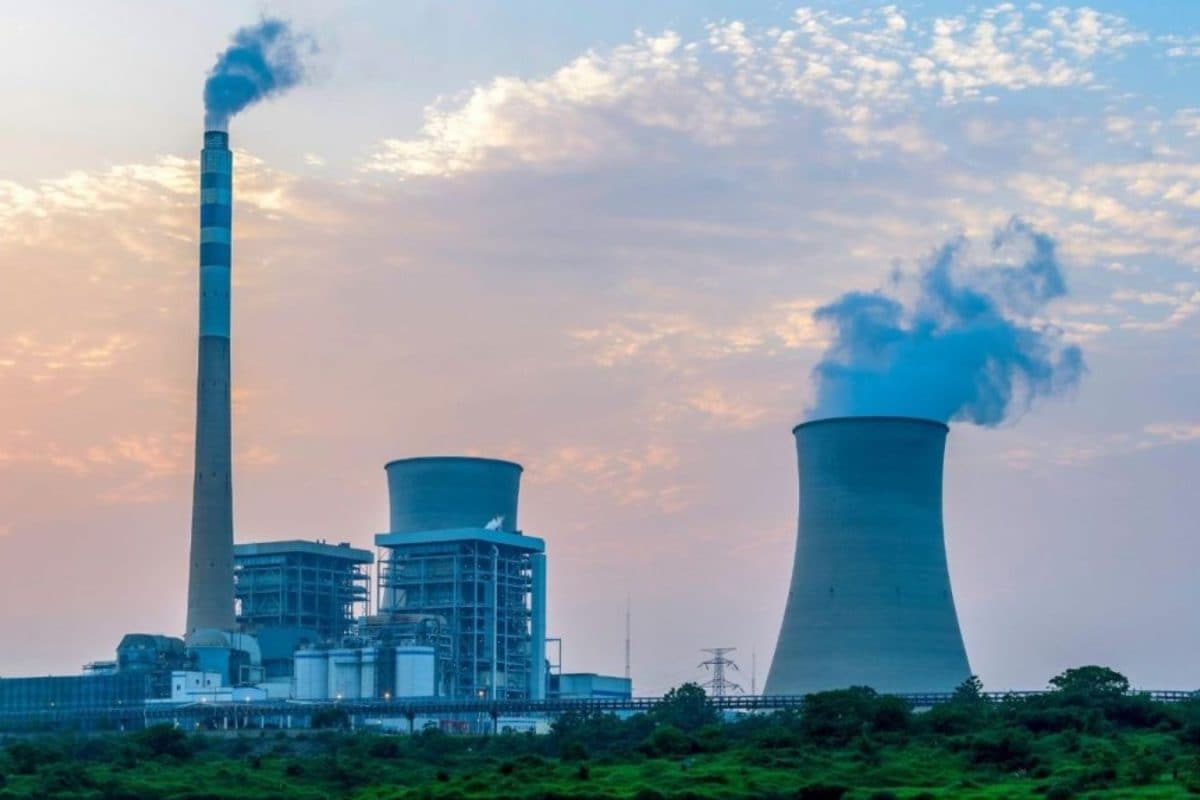
Image: News 18
A Right to Information (RTI) query reveals that thermal power plants in Haryana, India, are still using freshwater instead of treated sewage water, despite policies mandating the use of recycled water. This practice exacerbates the state's water crisis, where annual deficits reach nearly 14 billion cubic meters.
- 01Haryana's thermal power plants are not complying with policies to use treated sewage water.
- 02The state faces a significant annual water deficit of nearly 14 billion cubic meters.
- 03Major thermal plants are consuming hundreds of millions of liters of freshwater daily.
- 04The lack of documentation on wastewater usage indicates a failure in accountability.
- 05Similar successful models exist in other states, highlighting systemic issues in Haryana.
Advertisement
In-Article Ad
Haryana, India, is facing a severe water crisis, with an annual deficit of nearly 14 billion cubic meters. A recent Right to Information (RTI) query has revealed that the state's thermal power plants continue to rely on freshwater instead of transitioning to treated sewage water, as mandated by national and state policies. The RTI application, filed by activist Varun Gulati, sought information from the Haryana Power Generation Corporation Ltd (HPGCL) regarding the use of treated wastewater. However, responses indicated a lack of data, with several plants reporting 'NIL' for treated sewage water usage. The Panipat thermal power station alone consumes approximately 90-100 million liters of freshwater daily, while the Jhajjar plant uses about 100-120 million liters. This reliance on freshwater is concerning given the state's ongoing struggle to manage water resources effectively. Experts highlight that the failure to implement wastewater reuse is a significant accountability lapse, risking both energy and water security in a water-stressed region. Comparatively, successful models in states like Maharashtra demonstrate the potential for using treated sewage water in thermal power generation, underscoring the need for systemic improvements in Haryana.
Advertisement
In-Article Ad
The continued use of freshwater by thermal power plants strains Haryana's already limited water resources, exacerbating the water crisis and impacting agricultural and domestic water availability.
Advertisement
In-Article Ad
Reader Poll
Should Haryana enforce stricter regulations on water usage in thermal power plants?
Connecting to poll...
Read the original article
Visit the source for the complete story.