

Min Aung Hlaing Assumes Presidency Amid Ongoing Conflict in Myanmar
Myanmar Junta Chief Min Aung Hlaing Elected President In Parliamentary Vote
 Ndtv
Ndtv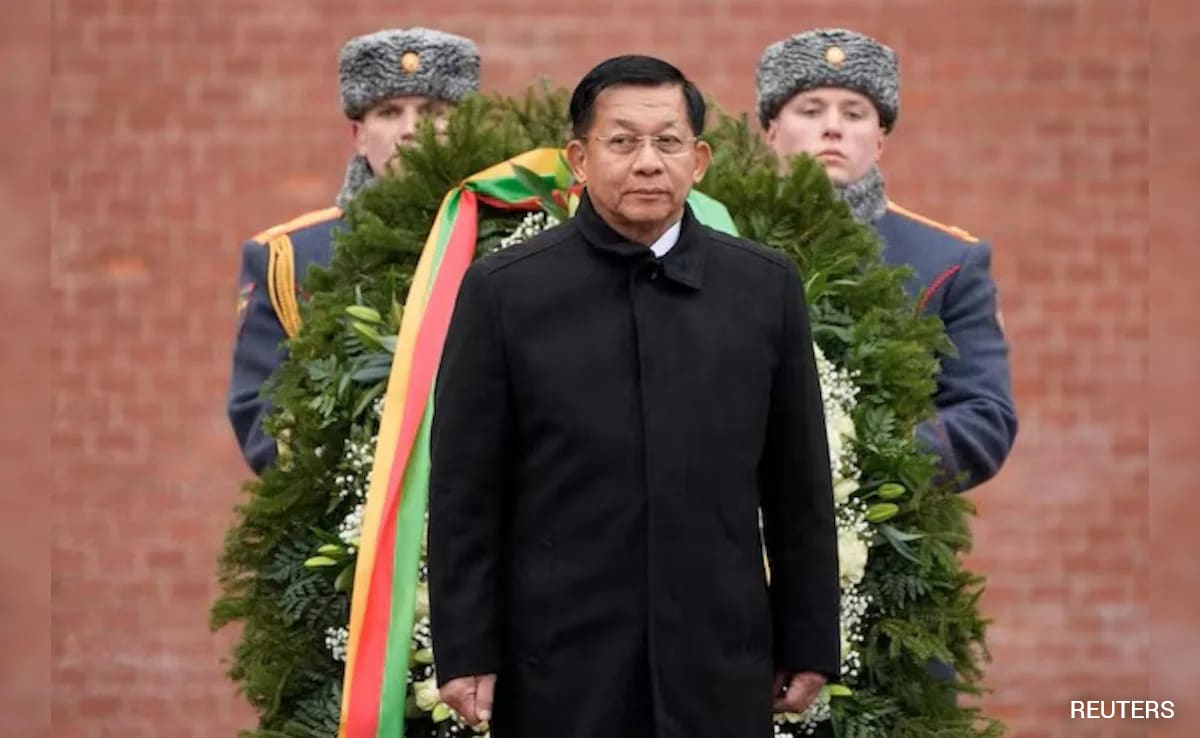
Image: Ndtv
Min Aung Hlaing, the junta chief of Myanmar, has been elected president following a parliamentary vote, solidifying military control over the country. This comes after a controversial election criticized as a sham, amidst ongoing civil conflict and accusations of human rights abuses against the military.
- 01Min Aung Hlaing has been elected president of Myanmar, consolidating military power.
- 02The election process has been widely criticized as illegitimate by international observers.
- 03Civil war continues in Myanmar, with ongoing accusations of military atrocities.
- 04China has expressed support for Min Aung Hlaing's new administration.
- 05Opposition groups are forming coalitions to challenge military rule.
Advertisement
In-Article Ad
Min Aung Hlaing, the chief of Myanmar's military junta, was elected president following a parliamentary vote that has been criticized as lacking legitimacy. This election formalizes his control over the government five years after he led a coup against the elected administration of Aung San Suu Kyi. The vote saw Min Aung Hlaing, who received 429 votes, defeating his rival, Nyo Saw, who garnered 126 votes. Analysts view this move as an effort to legitimize military rule under the guise of a civilian government, amidst ongoing civil unrest and accusations of human rights violations against the military. The civil war in Myanmar persists, with various groups opposing the junta forming a new coalition aimed at dismantling military dictatorship. Meanwhile, China has congratulated the new administration, indicating continued support for the junta. Human rights organizations, including Amnesty International, have condemned the election and Min Aung Hlaing's presidency, citing ongoing atrocities against civilians and the Rohingya population.
Advertisement
In-Article Ad
The election of Min Aung Hlaing as president may lead to intensified military actions against opposition groups, further complicating the civil conflict and impacting the daily lives of civilians.
Advertisement
In-Article Ad
Read the original article
Visit the source for the complete story.