

)

US-Iran Ceasefire: Implications for Global Oil Trade and Regional Stability
US-Iran ceasefire and the Strait of Hormuz: Why the next 14 days matter more than the last 39
 The Indian Express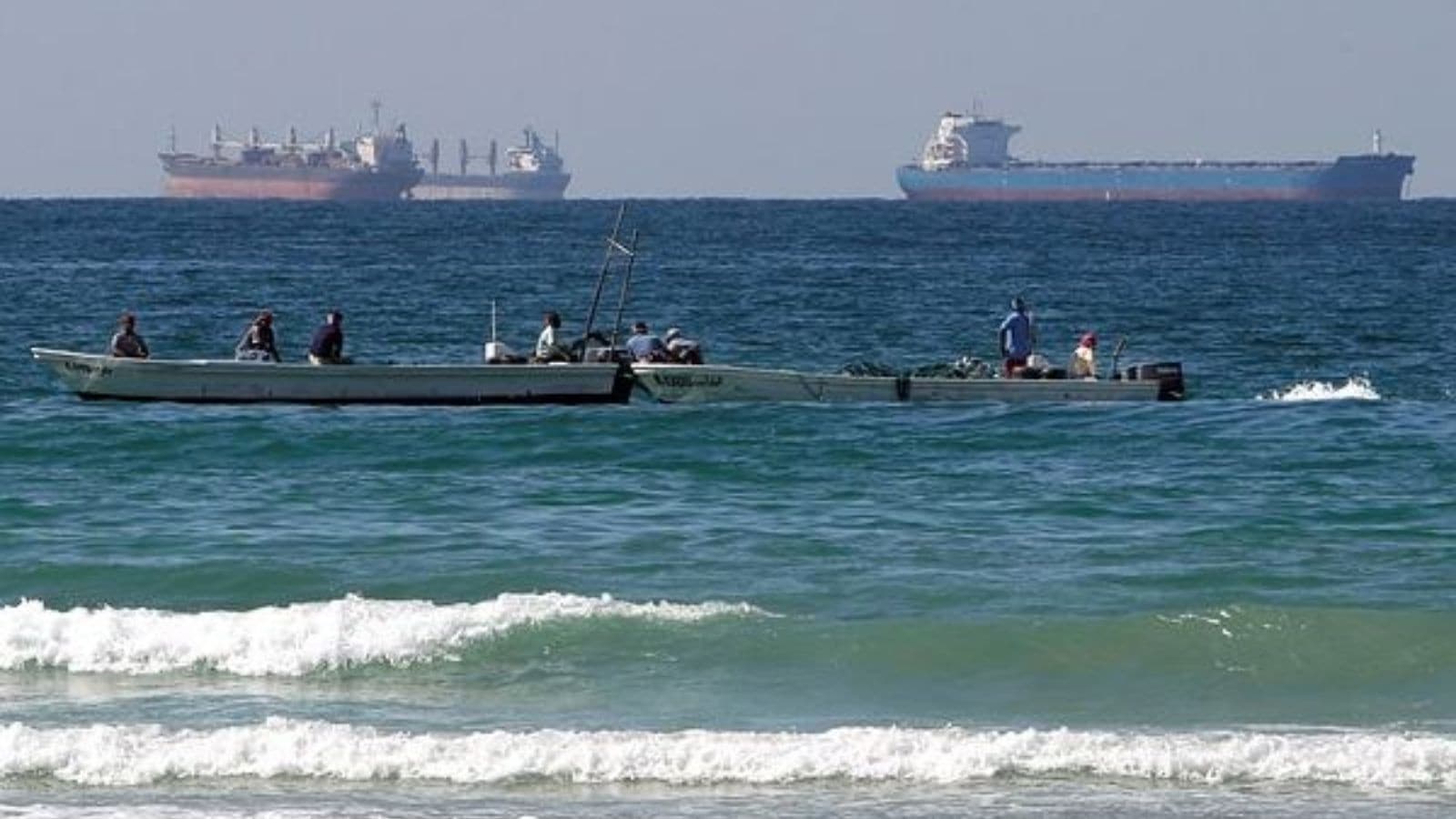
Image: The Indian Express
A newly announced ceasefire between the United States and Iran has reopened the crucial Strait of Hormuz for two weeks, providing temporary relief to global markets. However, ongoing negotiations and Iran's conditions pose significant challenges, with potential impacts on oil prices and regional stability.
- 01The US-Iran ceasefire allows for the reopening of the Strait of Hormuz, vital for global oil trade.
- 02Iran's acceptance of the ceasefire is conditional, with demands including lifting sanctions and maintaining control over shipping protocols.
- 03The closure of the strait previously caused a significant spike in oil prices, affecting global markets.
- 04Both the US and Iran claim victory, but Gulf producers and other nations face economic losses.
- 05The next two weeks are critical for the success of the ceasefire and future negotiations.
Advertisement
In-Article Ad
After 39 days of conflict, a ceasefire between the United States and Iran has been announced, allowing for the reopening of the Strait of Hormuz, which is essential for global oil trade. The ceasefire, brokered by Pakistan, is set to last for two weeks, giving markets a momentary respite. However, the agreement is fraught with complexities. Iranian Foreign Minister Abbas Araghchi confirmed that safe passage through the strait would be coordinated with Iran's Armed Forces, reflecting Iran's cautious stance towards the US. Iran's demands include lifting sanctions and maintaining control over the strait's passage protocols. The strait, which handles 25% of global seaborne oil trade, had been effectively closed, leading to a spike in oil prices and significant economic repercussions for Gulf producers and other nations reliant on oil imports. The reopening is expected to ease prices, but Iran plans to charge a fee for passage, introducing a new toll on this critical shipping lane. The next two weeks will be pivotal as formal peace talks are scheduled to begin in Islamabad, with various geopolitical implications at stake. Both nations assert they have achieved victories, but skepticism remains, particularly from Israel and Gulf states, regarding Iran's commitment to the ceasefire and its broader nuclear ambitions.
Advertisement
In-Article Ad
The reopening of the Strait of Hormuz is crucial for countries reliant on oil imports, particularly in Asia, as it will help stabilize oil prices and supply chains affected by the previous closure.
Advertisement
In-Article Ad
Reader Poll
Do you believe the US-Iran ceasefire will lead to lasting peace in the region?
Connecting to poll...
More about International Energy Agency
New Zealand Faces Fuel Crisis: Government's Response Under Scrutiny
The Conversation • Apr 8, 2026
Strategies for Australia to Address Its Energy Crisis Beyond Fuel Reserves
The Conversation • Apr 7, 2026
IEA Chief Warns Current Oil and Gas Crisis Exceeds Past Disruptions
The Economic Times • Apr 7, 2026
Read the original article
Visit the source for the complete story.