



Strait of Hormuz Disruption Could Delay Oil Supply Recovery for Months
Oil Flows May Take Months To Restore To Normal Even If Strait Of Hormuz Reopens Tomorrow: Report
 News 18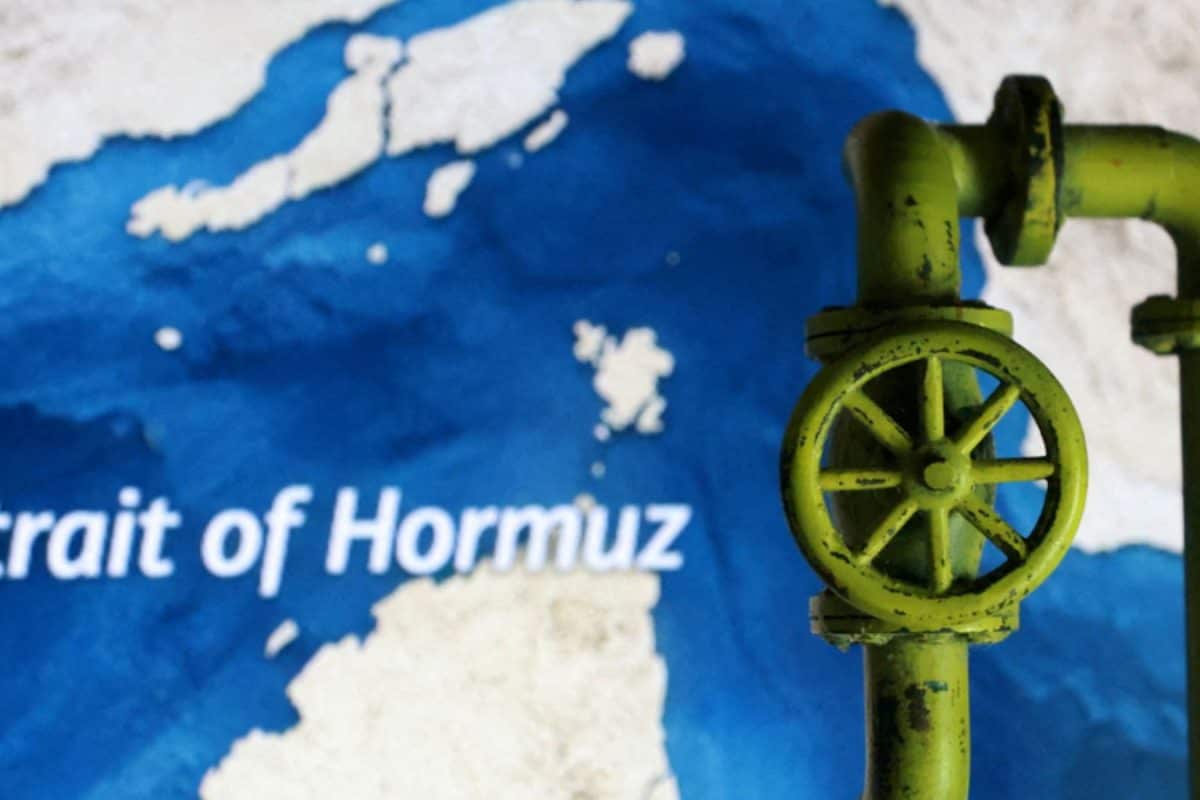
Image: News 18
Since February 28, 2026, the Strait of Hormuz has faced severe disruptions due to US–Israel strikes on Iran, impacting global oil supplies. Even if the strait reopens tomorrow, analysts warn it may take months for oil markets to stabilize due to logistical challenges and stranded tankers.
- 01Disruptions in the Strait of Hormuz have significantly affected global oil and LPG supplies since February 28, 2026.
- 02Analysts predict that even if the strait reopens, it could take weeks or months for oil supply chains to normalize.
- 03Currently, over 180 million barrels of crude are stranded in tankers, requiring significant time to unload and return to producers.
- 04Crude oil prices have surged to nearly $120 per barrel amid fears of supply shortages.
- 05The Strait of Hormuz is crucial, carrying about 20% of global oil trade daily.
Advertisement
In-Article Ad
The Strait of Hormuz has been severely impacted since February 28, 2026, due to US–Israel strikes on Iran, leading to significant disruptions in oil and LPG shipping. Analysts from HFI Research report that even if the strait were to reopen tomorrow, it could take weeks or months for global oil markets to return to normal. Currently, over 180 million barrels of crude are stranded in tankers, which will take approximately 35–45 days to unload. After unloading, it will take another 25–30 days for these vessels to return to the Middle East, and additional time for fresh tankers to load. Data indicates that vessel movement through the strait remains limited, with 220 ships crossing in March, dominated by liquid tankers. The Strait of Hormuz is vital for global energy, typically carrying around 20 million barrels of oil daily, accounting for nearly 20% of global oil trade. The International Energy Agency has labeled the current disruption as the largest in history, with crude oil prices soaring to nearly $120 per barrel due to supply fears and logistical bottlenecks.
Advertisement
In-Article Ad
The ongoing disruptions could lead to prolonged fuel shortages and rising prices, affecting consumers and industries reliant on oil and LPG.
Advertisement
In-Article Ad
Reader Poll
How do you think the oil supply disruption will affect global economies?
Connecting to poll...
More about International Energy Agency

India Faces LNG Supply Crisis as Qatar Imports Plunge 93% Amid Conflict
Mint • Apr 2, 2026
Surge in Oil Prices Amid Trump’s Threats on Iran: What to Expect
economictimes_indiatimes • Apr 2, 2026

World Bank, IMF, IEA Form Coordination Group to Address Energy Crisis from West Asia Conflict
Hindustan Times • Apr 2, 2026
Read the original article
Visit the source for the complete story.