



Understanding the Global Impact of West Asia's Turmoil on India
West Asia’s unquiet hour: Hidden costs and a strategic opening for India
 The Economic Times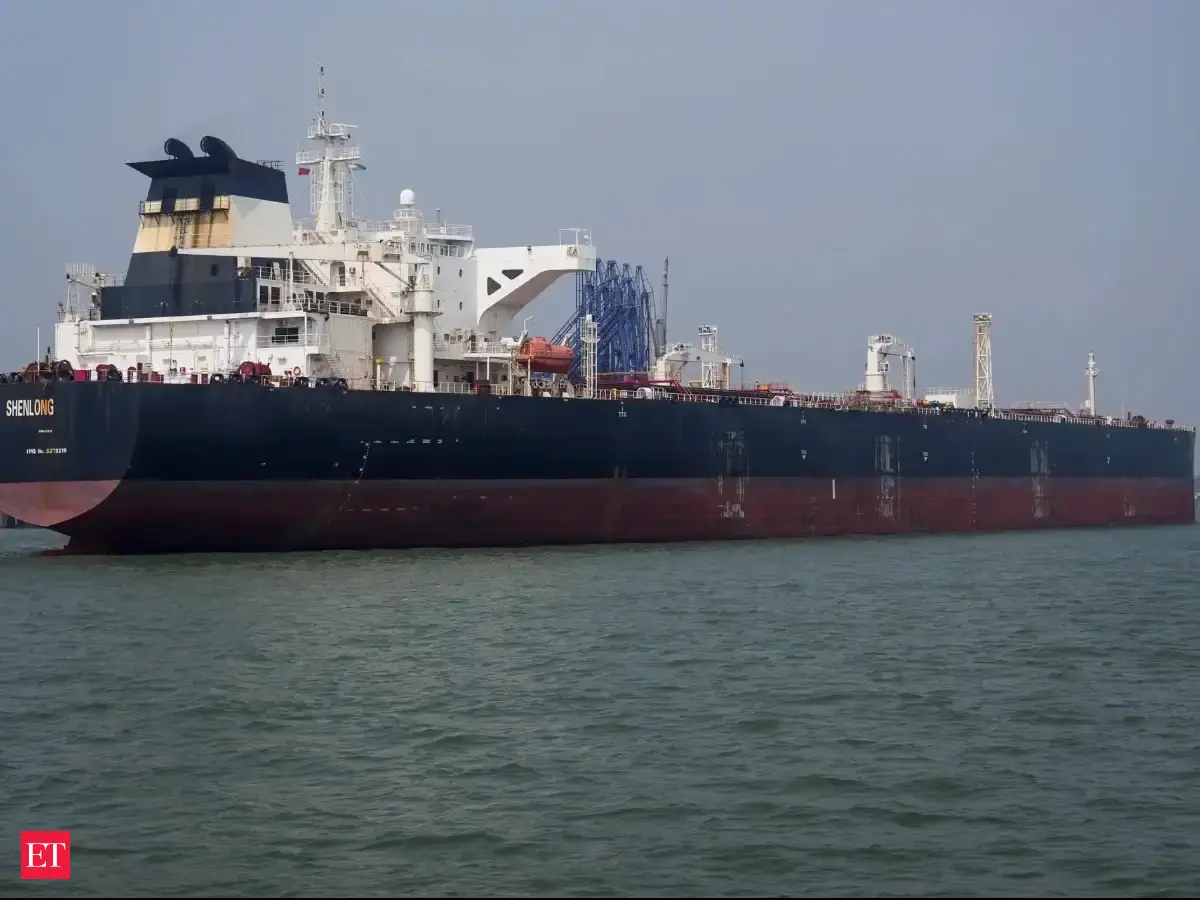
Image: The Economic Times
The ongoing conflict in West Asia, particularly around the Strait of Hormuz, is causing global economic disturbances, impacting oil prices and trade routes. For India, which relies heavily on energy imports from this region, these developments pose significant macroeconomic challenges but also present opportunities for strategic diversification and growth.
- 01The Strait of Hormuz is crucial for global oil and gas supply, affecting markets worldwide.
- 02Elevated oil prices create fiscal challenges for Gulf economies despite potential gains.
- 03Countries like Israel, Jordan, and Lebanon are experiencing economic strain due to the conflict.
- 04India faces rising inflation and energy supply challenges due to its dependence on West Asia.
- 05The situation presents India with opportunities to diversify energy sources and enhance its manufacturing capabilities.
Advertisement
In-Article Ad
The escalating conflict in West Asia, particularly around the Strait of Hormuz, is causing significant disruptions in the global economy, affecting oil prices and trade routes. This maritime corridor is vital, with nearly 20% of the world's crude oil and liquefied natural gas passing through it. While elevated oil prices could theoretically strengthen Gulf economies, the reality is more complex, as rising insurance costs and military expenditures are creating fiscal challenges. Countries like Israel, Jordan, and Lebanon are facing economic recalibrations due to defense priorities overshadowing civilian needs, leading to inflation and social stress. For India, the repercussions are particularly acute due to its reliance on West Asia for energy imports, which is likely to result in higher inflation and a widening current account deficit. However, this crisis also presents India with a strategic opportunity to diversify its energy sources and position itself as a manufacturing hub, leveraging its capabilities in secure digital infrastructure. The path ahead is expected to be one of prolonged instability rather than immediate resolution, necessitating policy agility and investment from India to capitalize on emerging opportunities.
Advertisement
In-Article Ad
The conflict is likely to drive up energy prices in India, leading to increased inflation and economic strain on consumers and businesses.
Advertisement
In-Article Ad
Reader Poll
How should India respond to the energy challenges posed by the West Asia conflict?
Connecting to poll...
Read the original article
Visit the source for the complete story.