




US Criticism of NATO Amid Iran Conflict Highlights Transatlantic Tensions
Nato has survived some serious rifts but the Iran war shows how the US has soured on the transatlantic alliance
 The Conversation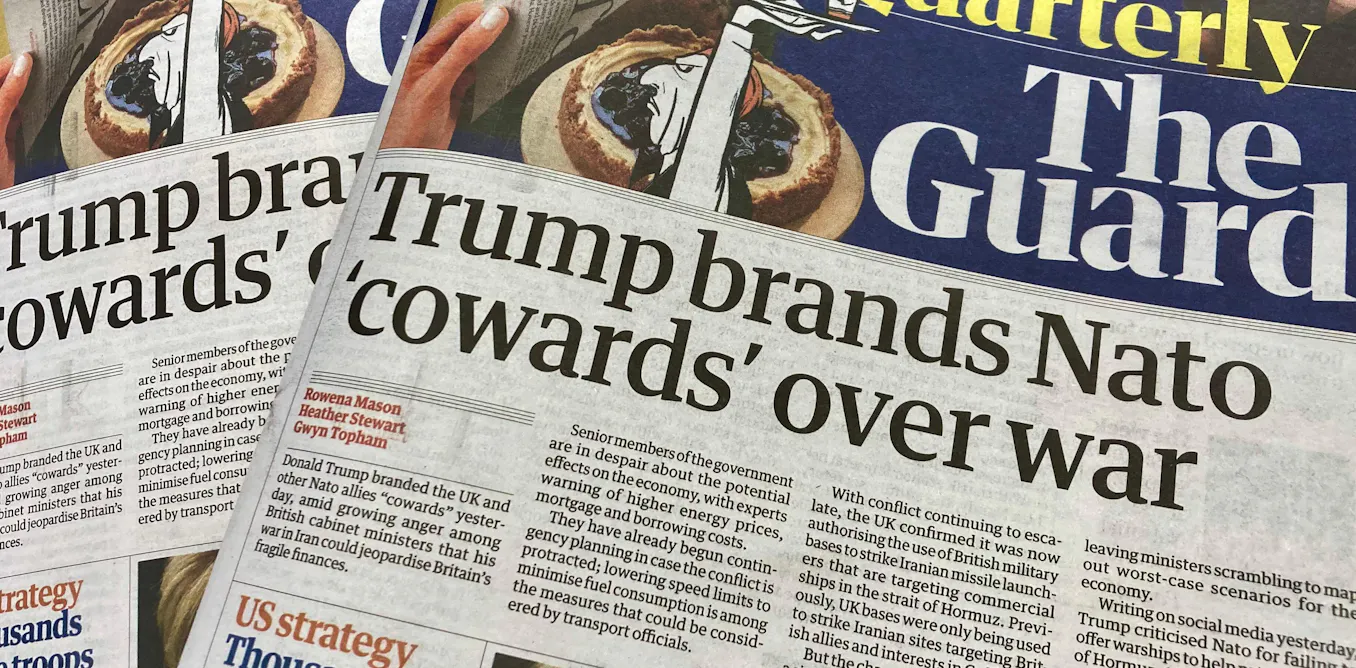
Image: The Conversation
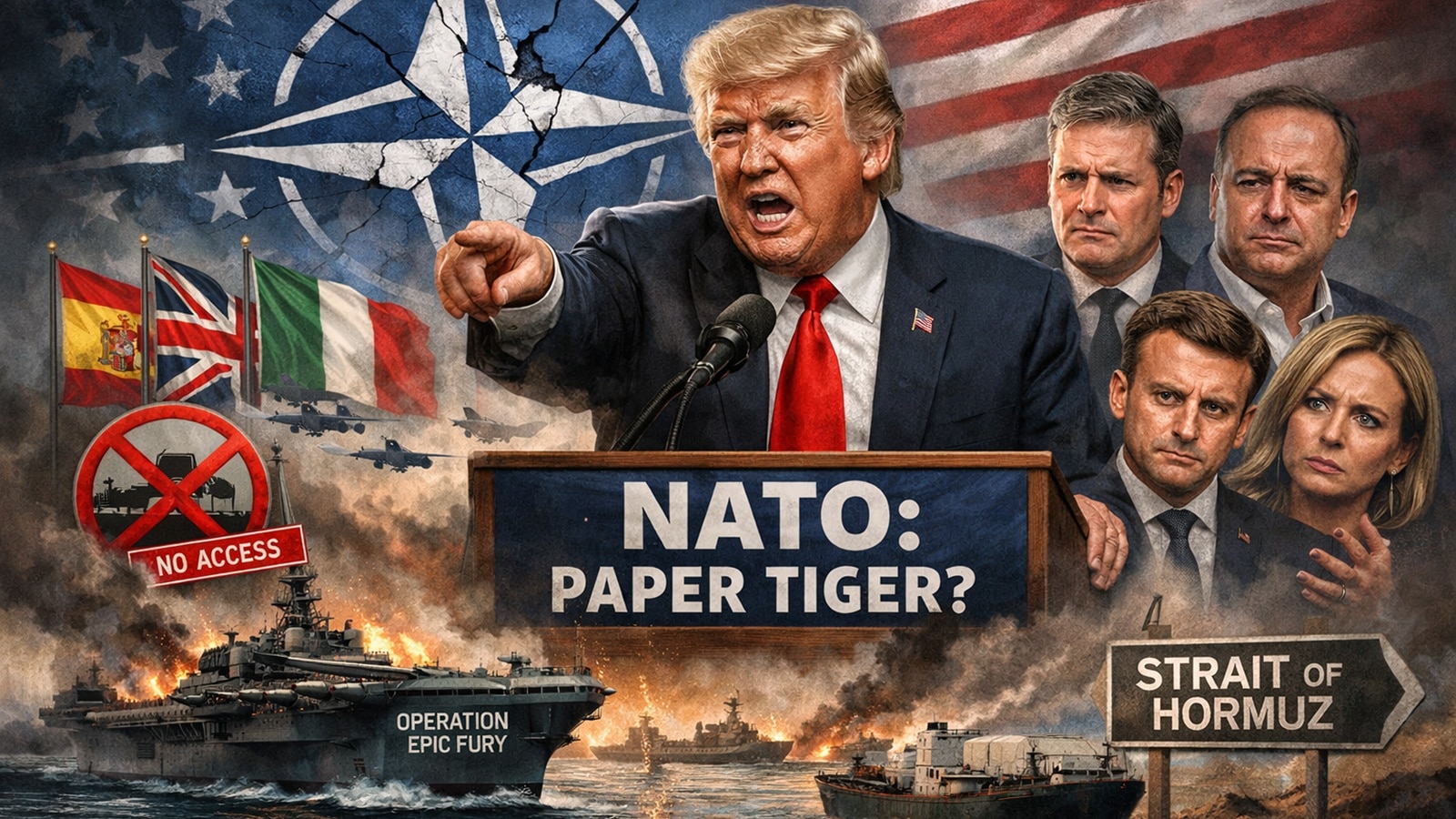
In a recent speech, US President Donald Trump criticized NATO allies for not supporting military actions against Iran, emphasizing the closure of the Strait of Hormuz and rising energy prices. This reflects growing skepticism within the US about NATO's role, particularly as European members focus on the ongoing conflict in Ukraine.
- 01Trump criticized NATO allies for not supporting US military actions in Iran.
- 02The closure of the Strait of Hormuz has led to skyrocketing energy prices.
- 03NATO's Article 5 has not been invoked regarding the Iran conflict.
- 04European members prioritize the Russia-Ukraine war over involvement in Iran.
- 05Skepticism about NATO's effectiveness is growing within US national security ranks.
Advertisement
In-Article Ad
In a prime-time address on April 1, 2023, US President Donald Trump expressed frustration with NATO allies, particularly the UK, Germany, and France, for their hesitance to join military efforts against Iran amid the closure of the Strait of Hormuz. This vital waterway is crucial for global oil and gas transit, and its blockade has resulted in soaring energy prices and reduced supplies to dependent countries. Despite the US-Israeli military operations, the Iranian regime remains intact, contradicting claims of success from the Trump administration. NATO’s Article 5, which mandates collective defense, has not been invoked in this context, leading to reluctance among European members who are wary of repeating the mistakes of past military interventions, such as the Iraq War. Furthermore, the ongoing conflict in Ukraine has shifted European focus away from Iran, causing tensions within the alliance. Trump and his national security team have signaled a reevaluation of NATO's value, questioning whether the US should continue its commitment to an alliance that does not align with its military objectives. As skepticism about NATO grows among US officials, European nations continue to view the alliance as essential for security and defense cooperation. The future of NATO, established nearly 80 years ago, hangs in the balance as it navigates these complex geopolitical challenges.
Advertisement
In-Article Ad
The ongoing tensions within NATO and the US's stance on Iran could lead to shifts in energy prices and security dynamics in Europe, affecting consumers and governments alike.
Advertisement
In-Article Ad
Reader Poll
Do you believe NATO should increase its involvement in conflicts outside Europe?
Connecting to poll...
More about NATO
Read the original article
Visit the source for the complete story.