


Delhi Proposes Comprehensive Draft EV Policy with Significant Tax Incentives
Delhi’s draft EV policy out, big tax breaks proposed for strong hybrid vehicles
 The Indian Express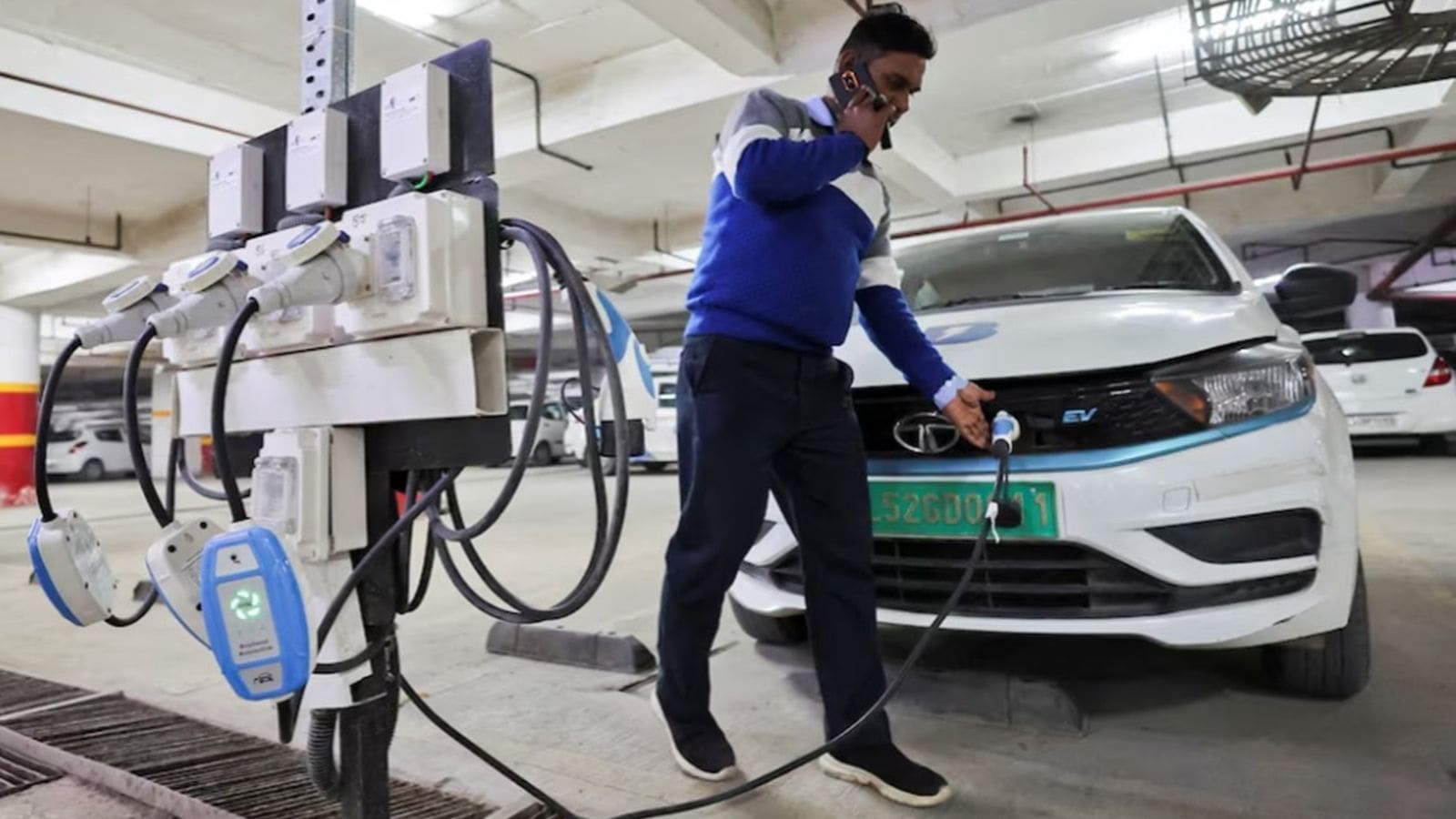
Image: The Indian Express
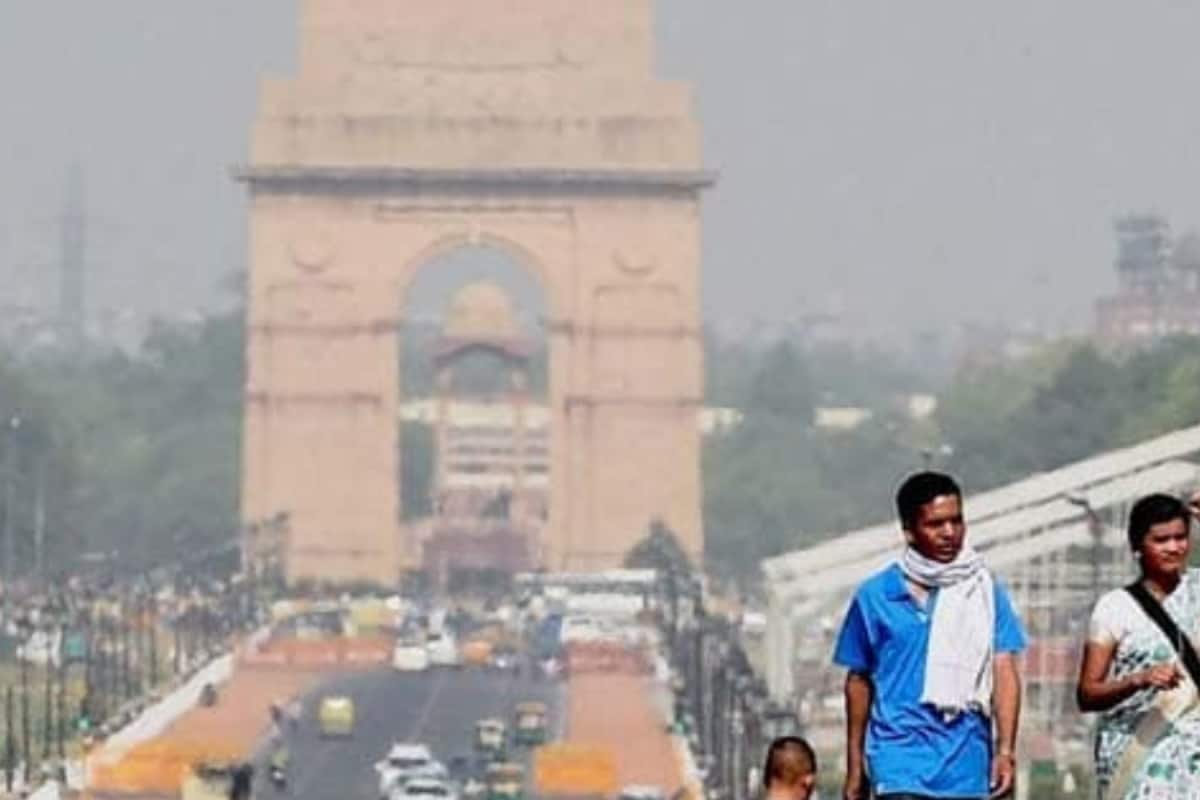
The Delhi government has unveiled a draft Electric Vehicle Policy 2026, proposing a 50% tax exemption for strong hybrid vehicles priced up to ₹30 lakh and a ban on new internal combustion engine two-wheelers by April 2028. Public feedback is invited until May 10. The policy aims to enhance sustainable transport and reduce pollution in the capital.
- 0150% exemption on road tax and registration fees for strong hybrid cars under ₹30 lakh.
- 02Ban on new petrol two-wheelers and CNG autorickshaws proposed for 2028 and 2027, respectively.
- 03Incentives for electric two- and three-wheelers to encourage adoption.
- 04Total budget of ₹3,954.25 crore allocated for the policy's implementation.
- 05Direct Benefit Transfer system for beneficiaries to streamline incentives.
Advertisement
In-Article Ad
The Delhi government has released its draft Electric Vehicle Policy 2026, which includes a 50% exemption on road tax and registration fees for strong hybrid vehicles priced up to ₹30 lakh (approximately $36,000 USD). The policy also proposes a ban on the registration of new internal combustion engine petrol two-wheelers starting in April 2028 and CNG autorickshaws from 2027. Public suggestions are invited until May 10. The policy aims to encourage the adoption of electric vehicles (EVs) and reduce pollution in the capital. All electric vehicles registered in Delhi will receive a 100% exemption from road tax and registration fees until March 31, 2030, with higher-end vehicles excluded from this benefit. The draft also outlines incentives for purchasing electric two- and three-wheelers, with a structured incentive system that decreases over three years. For example, buyers of electric two-wheelers will receive an incentive of ₹10,000 per kWh in the first year, tapering down in subsequent years. The policy allocates a total budget of ₹3,954.25 crore (approximately $480 million USD), with funds designated for purchase incentives, scrapping incentives, and the development of charging infrastructure. Chief Minister Rekha Gupta emphasized the policy's role in promoting clean transport and sustainability in Delhi.
Advertisement
In-Article Ad
The proposed EV policy is expected to significantly reduce vehicular emissions in Delhi, contributing to cleaner air and a more sustainable transport system.
Advertisement
In-Article Ad
Reader Poll
Do you support the proposed ban on new petrol two-wheelers in Delhi?
Connecting to poll...
Read the original article
Visit the source for the complete story.