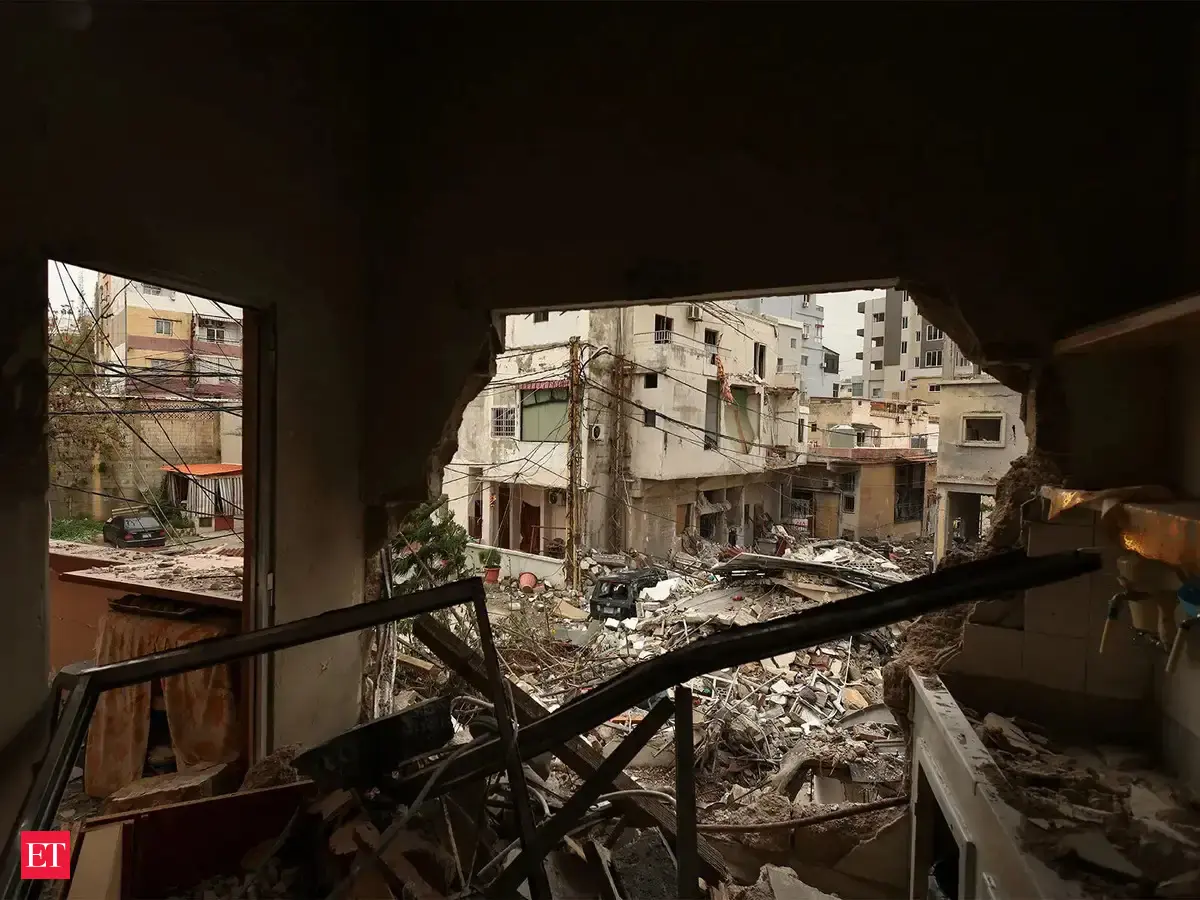



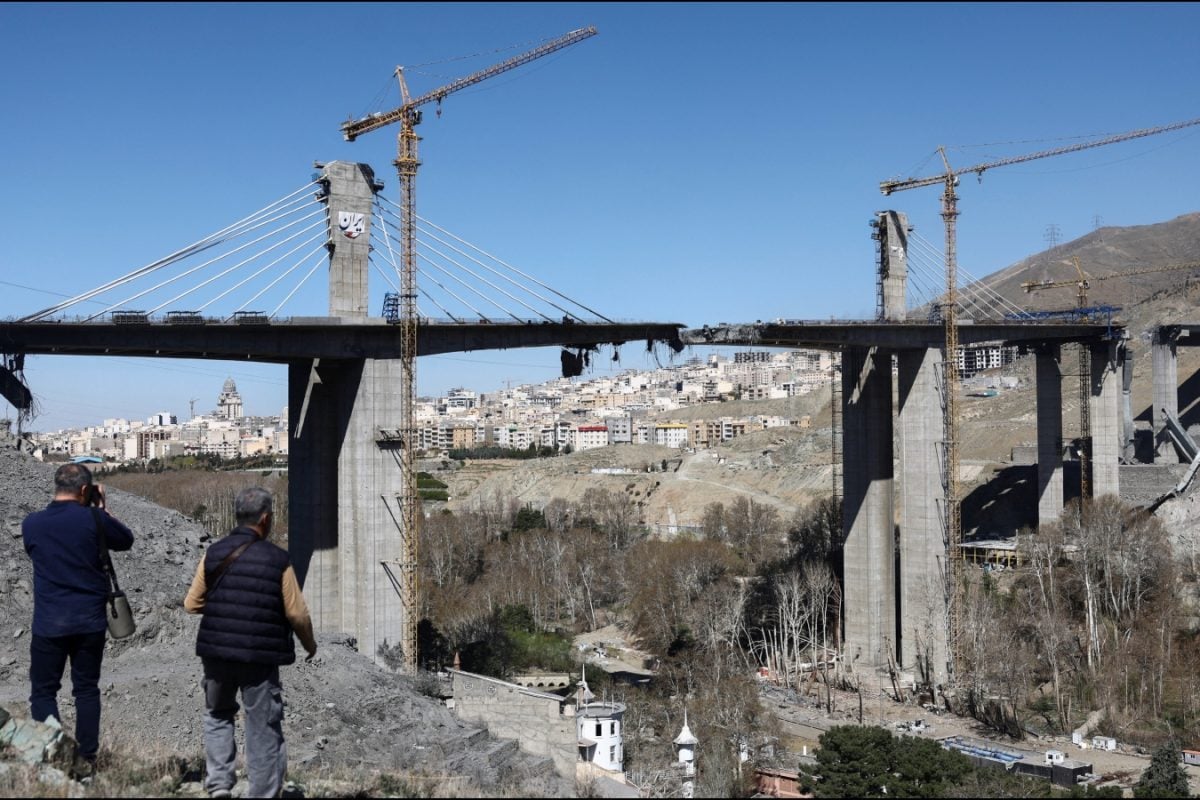
Exploring the History of 'Bombing Back to the Stone Age' in U.S. Military Strategy
Before Trump, US Had Threatened To Bomb These Countries Back To Stone Age: Carpet Bombing Explained
 News 18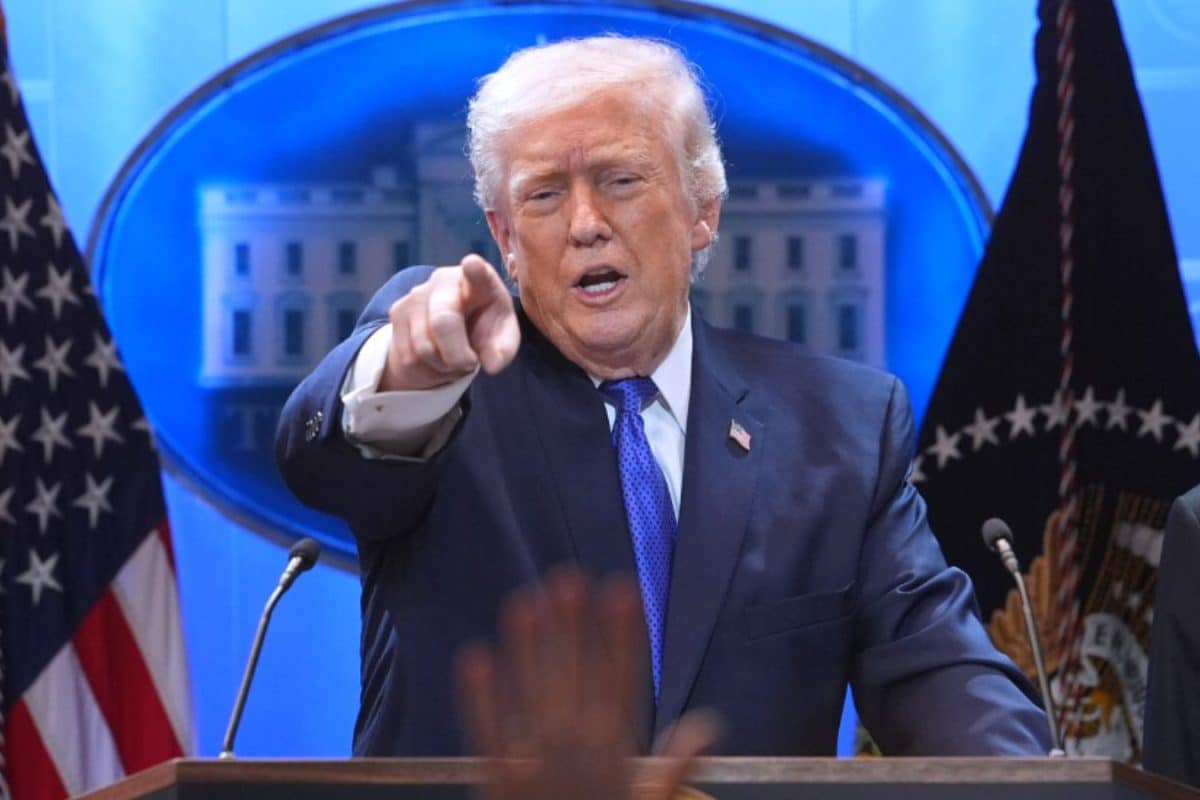
Image: News 18
The phrase 'bomb back to the Stone Age' has been a recurring threat in U.S. military history, notably used by President Trump against Iran. This article traces its origins from the Vietnam War through various conflicts, highlighting the controversial tactics of carpet bombing and their implications on civilian infrastructure.
- 01The phrase 'bomb back to the Stone Age' signifies a threat to destroy a nation's infrastructure through extensive bombing.
- 02Historically, U.S. officials have used this rhetoric since the Vietnam War, with notable instances in the Gulf War and post-9/11 conflicts.
- 03Carpet bombing has resulted in significant destruction and civilian casualties, raising legal and ethical concerns.
- 04Recent threats by U.S. officials against Iran echo past military strategies and tactics.
- 05Legal experts argue that targeting essential infrastructure violates international laws of war.
Advertisement
In-Article Ad
The phrase 'bomb back to the Stone Age' has been a part of U.S. military rhetoric for decades, recently reiterated by President Donald Trump in April 2026 regarding Iran. This phrase, which signifies the intent to obliterate a nation's modern infrastructure through carpet bombing, has historical roots dating back to the Vietnam War. General Curtis LeMay popularized the term in 1965, suggesting that North Vietnam could face severe consequences if aggression continued. The U.S. has employed carpet bombing in various conflicts, including the devastating campaigns during World War II, the Korean War, and the Gulf War, leading to widespread destruction and civilian casualties. Following Trump's threats, U.S.-Israeli strikes targeted crucial civilian infrastructures in Iran, raising concerns about the legality and morality of such actions. Legal experts assert that these tactics violate international laws, emphasizing the need for accountability in military operations.
Advertisement
In-Article Ad
The U.S. military's threats and actions could lead to increased tensions in the Middle East, affecting regional stability and civilian safety.
Advertisement
In-Article Ad
Reader Poll
Do you believe the U.S. should continue its military threats against Iran?
Connecting to poll...
Read the original article
Visit the source for the complete story.