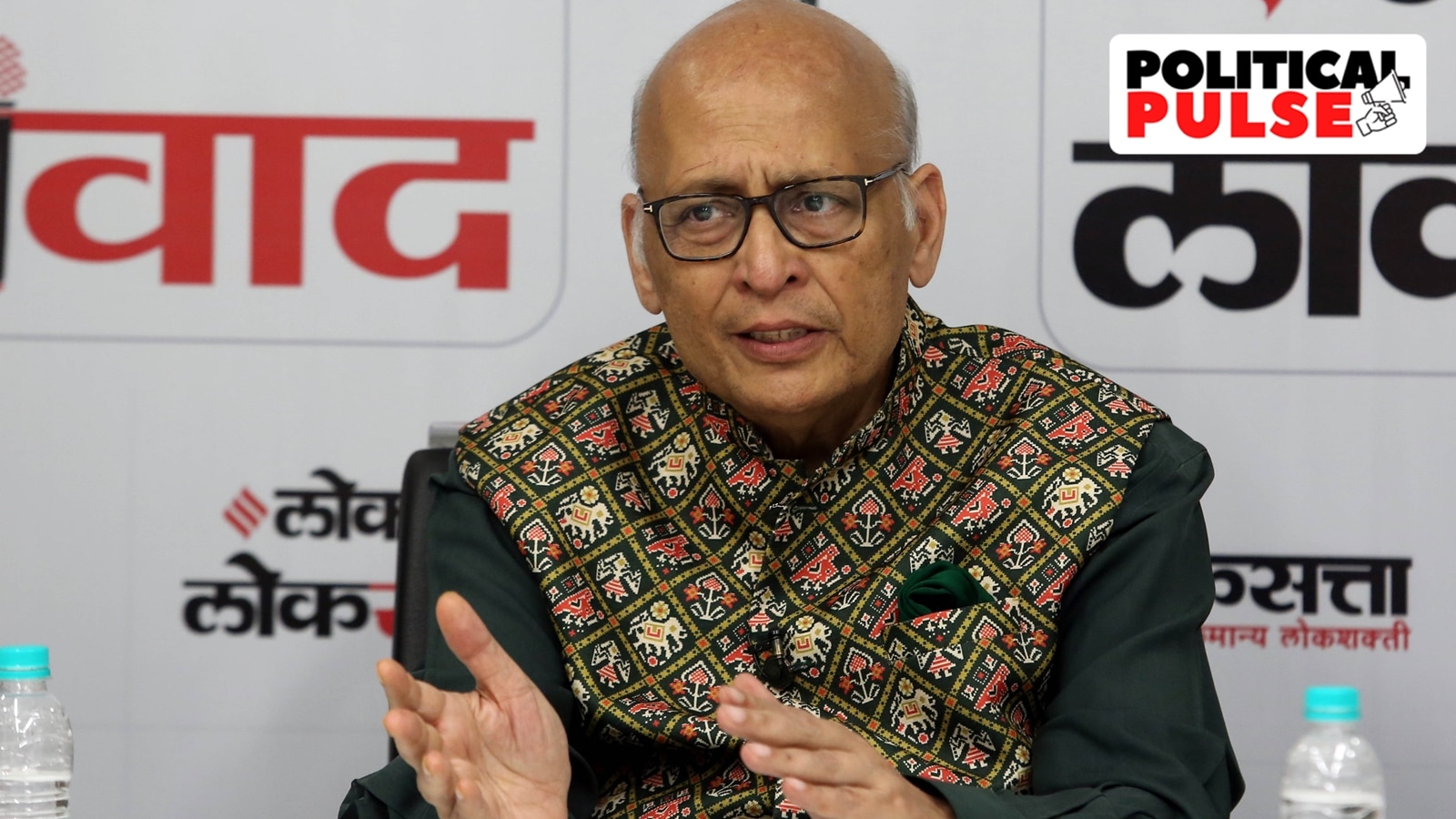
JD Vance Takes Center Stage in High-Stakes Iran Negotiations
In Iran Talks, JD Vance Faces A ‘Super Bowl’ Moment In A War He Can’t Fully Control
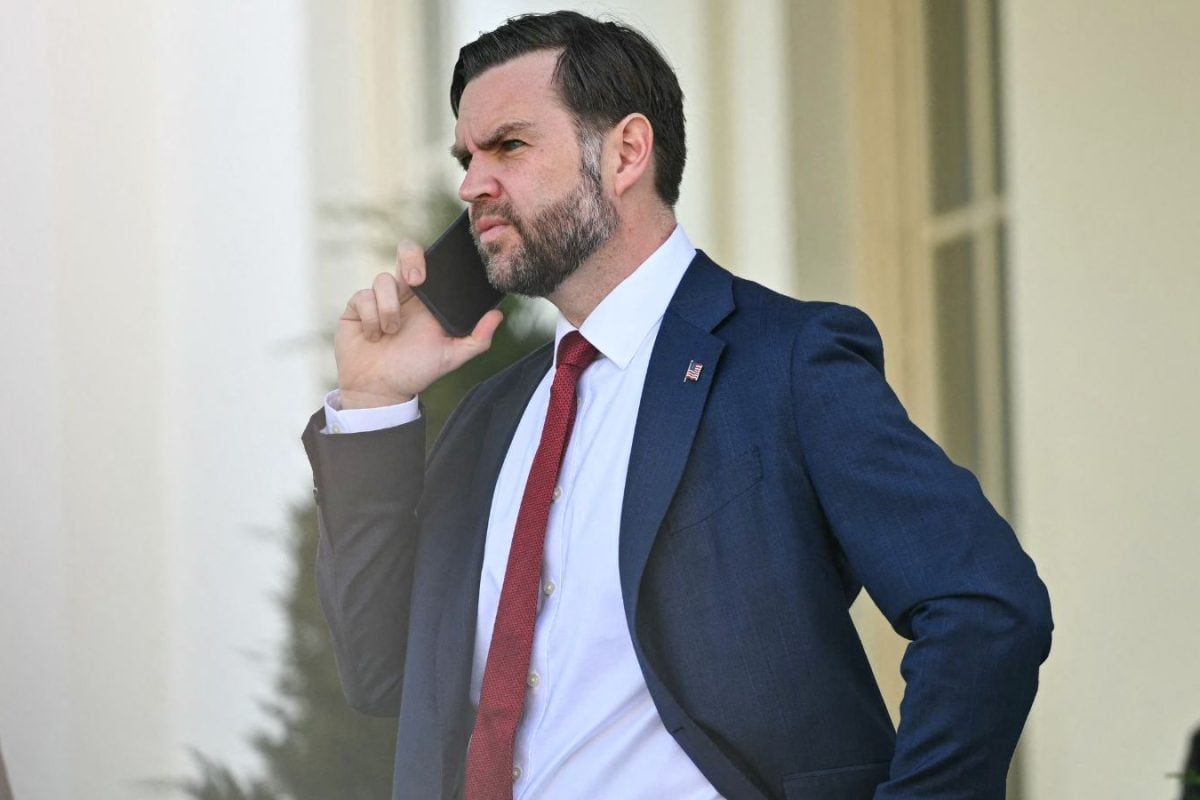
Image: news18
JD Vance, the Vice-President of the United States, is leading crucial negotiations in Islamabad aimed at stabilizing a fragile ceasefire with Iran. Despite his previous skepticism about military conflict, Vance faces immense pressure to navigate complex demands from Tehran while balancing U.S. military signaling and domestic political expectations.
- 01JD Vance is leading high-stakes negotiations with Iran amidst a fragile ceasefire.
- 02He previously expressed reservations about escalating military conflict but now holds a pivotal role.
- 03Vance's negotiations aim to stabilize the ceasefire and address Iran's nuclear program and sanctions relief.
- 04Iran enters talks with firm demands and strategic leverage, complicating U.S. negotiating power.
- 05The success or failure of these talks could significantly impact Vance's political career.
Advertisement
In-Article Ad
JD Vance, the Vice-President of the United States, is at the forefront of negotiations in Islamabad aimed at stabilizing a fragile ceasefire with Iran. This role marks a significant moment in Vance's political career, as he has previously expressed skepticism about escalating military conflict with Iran, despite publicly supporting the administration's actions. His current task involves addressing critical issues, including the reopening of the Strait of Hormuz, Iran's nuclear program, and potential sanctions relief. However, Vance enters these talks with limited leverage, as Iran maintains strategic advantages and firm demands. The situation is further complicated by concerns within the U.S. administration regarding the lack of thorough preparatory groundwork for the negotiations. Vance's approach reflects a dual strategy of engagement backed by pressure, aiming to prevent Iran from exploiting the U.S. position. The outcome of these talks is crucial not only for regional stability but also for Vance's political future, as success could bolster his reputation while failure may highlight his inexperience.
Advertisement
In-Article Ad
The negotiations could influence U.S. foreign policy in the Middle East and affect regional stability, impacting both American interests and international relations.
Advertisement
In-Article Ad
Reader Poll
Do you believe the U.S. should prioritize diplomatic negotiations with Iran?
Connecting to poll...
Read the original article
Visit the source for the complete story.