





RBI Takes Action to Stabilize Rupee Amid Significant FY26 Decline
RBI moves to curb rupee volatility after sharp FY26 slide
 The Economic Times
Image: The Economic Times
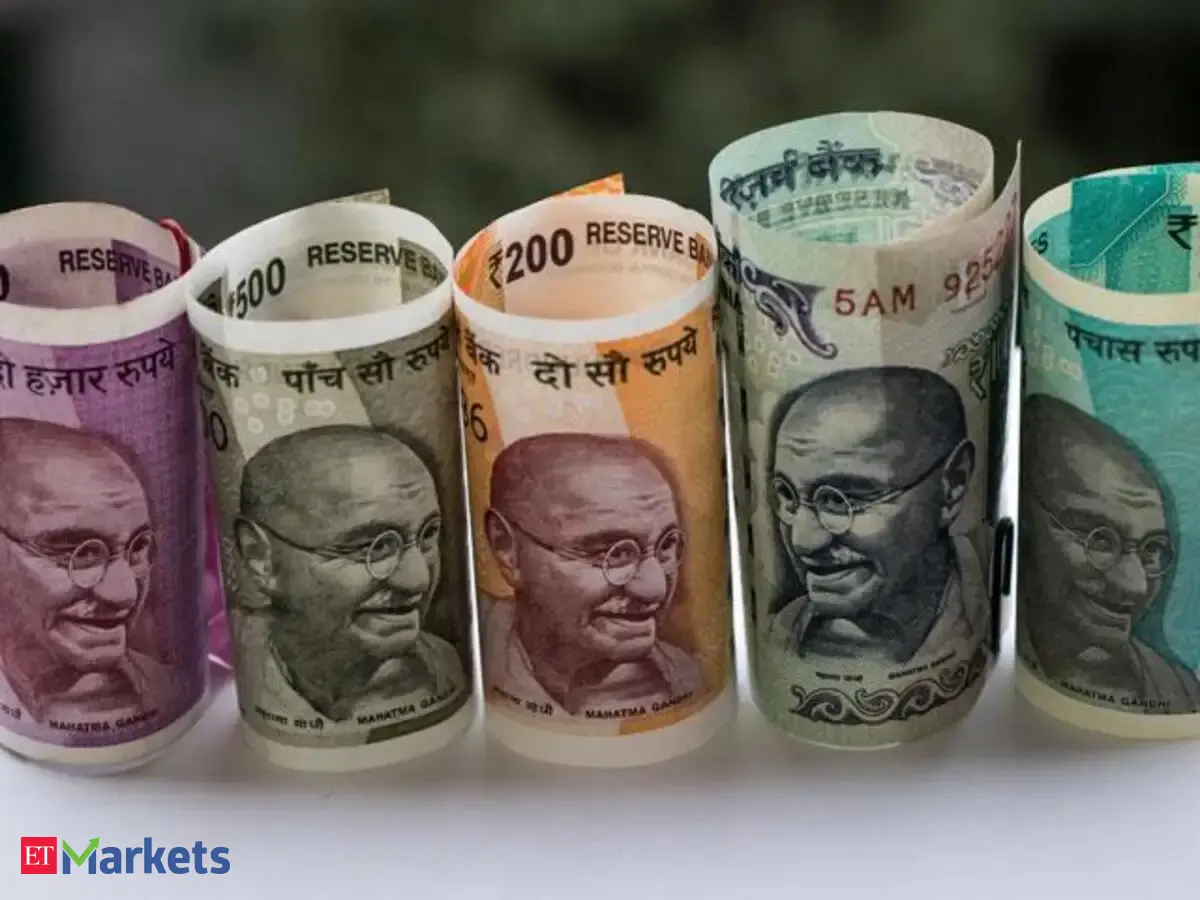
The Reserve Bank of India (RBI) is implementing stricter regulations on foreign-exchange markets to address the rupee's nearly 10% decline against the dollar in FY26. This includes capping banks' foreign-exchange positions and prohibiting rupee non-deliverable forward (NDF) contracts, aiming to stabilize the currency after it hit a low of 95.22/$.
- 01The rupee lost nearly 10% against the dollar in FY26.
- 02RBI has capped banks' net open foreign-exchange positions at $100 million.
- 03The currency reached a low of 95.22/$ on March 31.
- 04RBI's interventions included selling $15-20 billion to stabilize the rupee.
- 05Arbitrage opportunities in the NDF market have narrowed but not disappeared.
Advertisement
In-Article Ad
The Reserve Bank of India (RBI) is taking decisive steps to curb the volatility of the Indian rupee, which has depreciated nearly 10% against the US dollar in the fiscal year 2026. The central bank has implemented new regulations that limit banks' net open foreign-exchange positions to $100 million, effective April 10. This move follows a significant drop in the rupee, which fell to a low of 95.22/$ on March 31, prompting the RBI to sell an estimated $15-20 billion to prevent further decline. Despite these efforts, the rupee continued to weaken, leading the RBI to prohibit banks from offering rupee non-deliverable forward (NDF) contracts to clients. These restrictions aim to stabilize the currency by reversing previous arbitrage strategies that had contributed to its volatility. Following the announcement, the rupee showed signs of recovery, closing at 93.06/$ on April 2, approximately 2.2% stronger than its previous close. However, analysts warn that if offshore trading detaches from onshore positioning, the RBI may face challenges in maintaining stability, particularly during periods of heightened volatility.
Advertisement
In-Article Ad
The RBI's measures aim to stabilize the rupee, which could affect import costs and inflation for consumers. A stronger rupee may lead to lower prices for imported goods.
Advertisement
In-Article Ad
Reader Poll
Do you think the RBI's measures will effectively stabilize the rupee?
Connecting to poll...
More about Reserve Bank of India
Read the original article
Visit the source for the complete story.