



Victoria and Albert Museum Adapts Catalogues to Meet Chinese Censorship Demands
V&A censored catalogues after demands by Chinese printer
 theguardian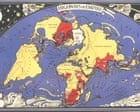
Image: theguardian
The Victoria and Albert Museum in London has removed sensitive images and maps from its exhibition catalogues following requests from its Chinese printing partner, C&C Offset Printing. This decision highlights the extent of censorship imposed by the Chinese government on foreign publications, affecting even historical content.
- 01The V&A has removed images from catalogues due to Chinese censorship laws.
- 02Censorship extends to historical maps and photographs unrelated to sensitive topics.
- 03Other UK institutions like the British Museum and Tate also face similar censorship challenges.
- 04The V&A stated the changes were minor and did not impact the narrative.
- 05Cost-effective printing in China often leads to compliance with censorship demands.
Advertisement
In-Article Ad
The Victoria and Albert Museum (V&A) in London has complied with censorship demands from its Chinese printing partner, C&C Offset Printing, by removing sensitive images and maps from at least two recent exhibition catalogues. This includes a historic map depicting British colonial trade routes, which was rejected by the General Administration of Press and Publication (GAPP) in China due to its geographical implications. The V&A's internal communications reveal frustration over the censorship process, which delayed the printing schedule. Despite the museum's assertion that the edits were minor and did not affect the overall narrative, the incident underscores the broader issue of censorship faced by institutions that rely on Chinese printers for cost-effective production. Similar practices have been reported by other prominent UK institutions, including the British Museum and Tate, raising concerns about the implications of adhering to censorship laws that affect even seemingly unrelated content. The V&A has indicated that it maintains editorial oversight and would reconsider printing in China if censorship requests were deemed problematic.
Advertisement
In-Article Ad
This situation raises concerns about the integrity of cultural institutions and their willingness to comply with censorship, potentially affecting the availability of unaltered historical content for audiences.
Advertisement
In-Article Ad
Reader Poll
Should museums prioritize cost savings over editorial integrity when printing catalogues?
Connecting to poll...
Read the original article
Visit the source for the complete story.