



Contrasting Paths to Unity: Ashoka and Qin Shi Huang's Empire-Building Strategies
Ashoka vs Qin Shi Huang: Two contrasting paths to unity and empire-building
 The Economic Times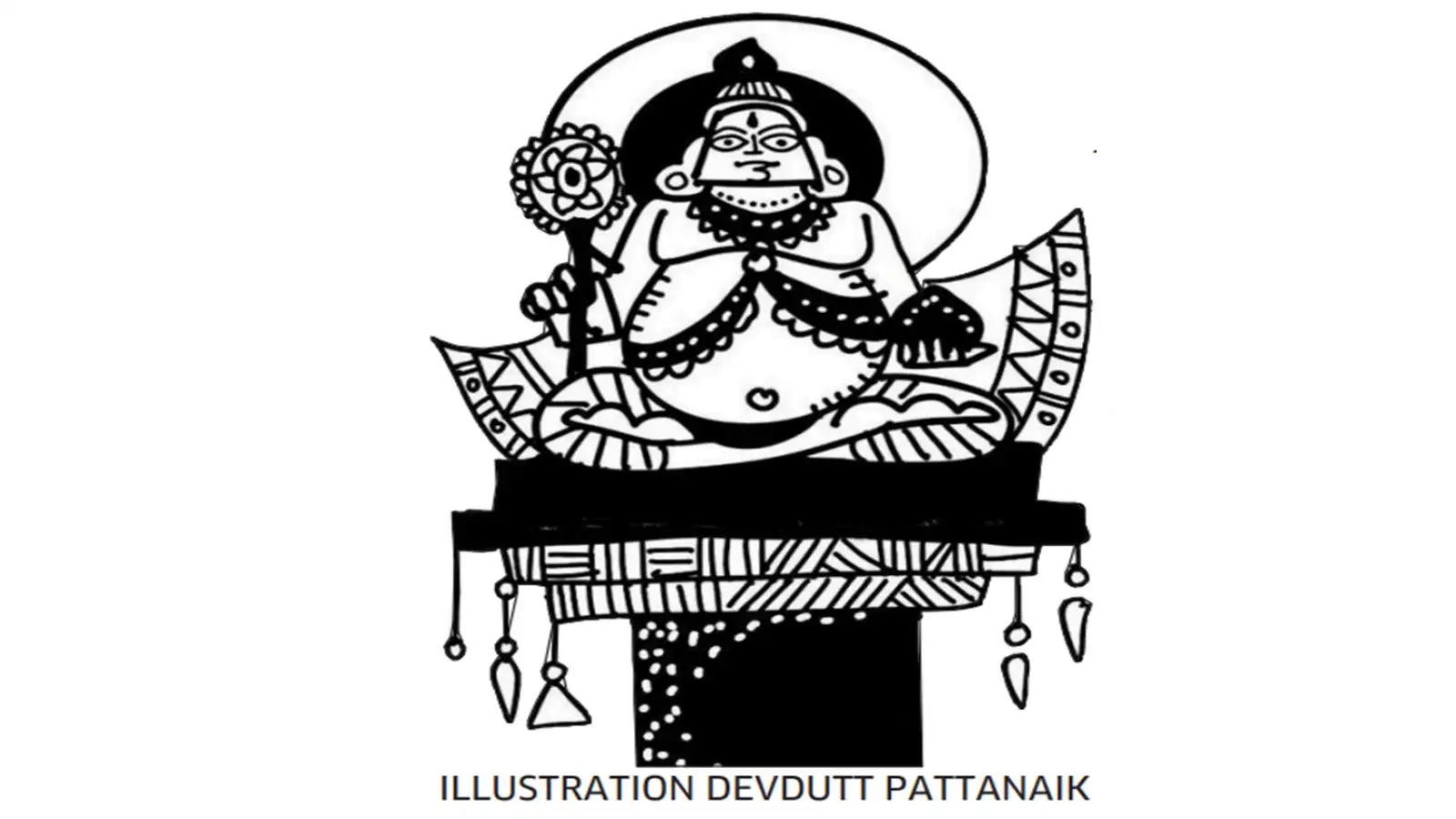
Image: The Economic Times
Over 2200 years ago, Qin Shi Huang in China and Ashoka in India faced the challenge of unifying diverse territories. While Qin enforced uniformity through Legalism and fear, Ashoka embraced diversity through dhamma, promoting ethical living and coexistence. Their differing approaches to governance shaped their legacies and the future of their empires.
- 01Qin Shi Huang centralized power and enforced uniformity through Legalism.
- 02Ashoka transformed his rule after the Kalinga war, promoting ethical governance through dhamma.
- 03Qin's approach relied on fear and control, while Ashoka's emphasized tolerance and dialogue.
- 04Their monuments reflect their governance philosophies: Qin's structures for control versus Ashoka's pillars for ethical messages.
- 05Both rulers sought unity but through vastly different means—one through suppression, the other through acceptance.
Advertisement
In-Article Ad
Over 2200 years ago, two prominent rulers, Qin Shi Huang of China and Ashoka of India, confronted the challenge of uniting diverse territories following prolonged conflict. Qin Shi Huang emerged from the Warring States period, aiming for not just political unification but the elimination of differences through a centralized bureaucratic system. His governance was driven by Legalism, characterized by strict laws and harsh punishments, fostering loyalty through fear and enforcing uniformity across writing, measurements, and cultural practices. In stark contrast, Ashoka, who began his reign as a conqueror, shifted his approach after witnessing the devastation of the Kalinga war. Rather than suppressing the memory of violence, he memorialized it, promoting a moral framework known as dhamma, influenced by Buddhism and other Indic philosophies. Ashoka's governance emphasized ethical living, tolerance, and coexistence of multiple traditions, allowing existing social structures to remain intact. Their contrasting communication methods further illustrated their philosophies: Qin imposed a standardized script, while Ashoka communicated in multiple languages to engage local populations. Ultimately, while both rulers sought unity, their legacies diverged significantly—Qin's empire collapsed soon after his death, whereas Ashoka's moral vision endured, influencing cultures across Asia through Buddhism. These contrasting models of governance highlight the ongoing political question of managing plurality: through suppression or engagement.
Advertisement
In-Article Ad
Advertisement
In-Article Ad
Reader Poll
Which approach to governance do you believe is more effective: uniformity or diversity?
Connecting to poll...
Read the original article
Visit the source for the complete story.