


Supreme Court Ruling Streamlines Fraud Classification Process for Banks
Mint Explainer: Why SC allowed banks to tag fraud without oral hearings and what it means
 Mint
Mint
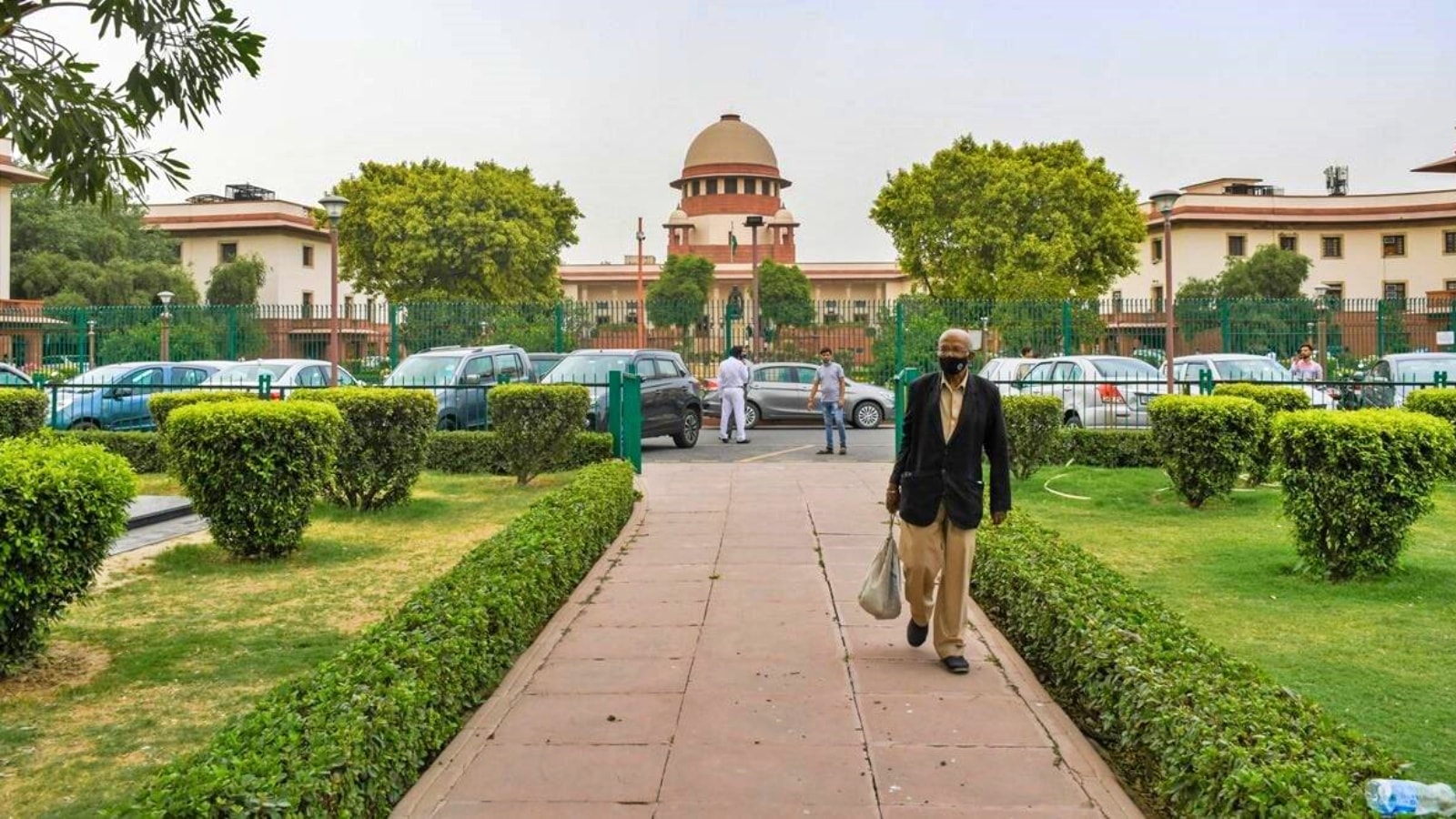
Image: Mint
The Supreme Court of India ruled that banks do not need to provide oral hearings before classifying accounts as fraudulent, relying instead on written processes. This decision aims to expedite fraud detection while ensuring borrowers receive forensic audit reports to respond to allegations. The ruling addresses the significant issue of banking fraud, which has seen a rise in cases and amounts involved.
- 01The Supreme Court ruled that banks can classify fraud without oral hearings.
- 02Written processes, including show-cause notices, are deemed sufficient for natural justice.
- 03Banks must share forensic audit reports with borrowers, with limited redaction allowed.
- 04The ruling aims to enhance operational efficiency and reduce procedural delays.
- 05Fraud cases have increased significantly, with 23,953 reported in FY 2024–25.
Advertisement
In-Article Ad
In a landmark ruling, the Supreme Court of India clarified that banks, including major institutions like the State Bank of India and Bank of India, are not required to conduct oral hearings before designating accounts as fraudulent. The court stated that a written process, which includes issuing show-cause notices and receiving written replies, satisfies the principles of natural justice. This decision emerged from appeals against prior high court rulings that favored borrowers by emphasizing the need for personal hearings. The court acknowledged the impracticality of mandatory hearings, which could delay fraud detection and allow for potential misuse by borrowers. However, it mandated that banks share audit reports with borrowers, enhancing transparency in the process. The ruling is expected to streamline operations for banks, allowing for quicker fraud classifications, which is crucial for maintaining systemic stability. The Supreme Court highlighted the alarming rise in banking fraud, with RBI data showing a jump from 13,494 cases involving ₹18,981 crore in FY 2022-23 to 23,953 cases involving ₹36,014 crore in FY 2024-25. The decision is seen as a compromise, balancing the need for efficiency in fraud detection with the rights of borrowers to understand and respond to allegations against them.
Advertisement
In-Article Ad
The ruling allows banks to act more swiftly in classifying fraud, potentially reducing systemic risk and improving the overall health of the banking sector.
Advertisement
In-Article Ad
Reader Poll
Do you agree with the Supreme Court's decision to allow banks to classify fraud without oral hearings?
Connecting to poll...
More about Supreme Court of India
Supreme Court Debates Jurisdiction Over Superstitious Practices Amid Centre's Disagreement
The Indian Express • Apr 9, 2026

Supreme Court Hears Centre's Objection to Adultery Ruling by Former Chief Justice DY Chandrachud
Ndtv • Apr 9, 2026

Debate Over School Admissions: Aadhaar and Family ID Requirements Under RTE Act Scrutinized
Jagran Josh • Apr 8, 2026
Read the original article
Visit the source for the complete story.