




Understanding 'Brain Rot': The Digital Age's Mental Health Concern
‘Brain Rot’ is everywhere — here’s why the Internet can’t stop talking about it
 The Economic Times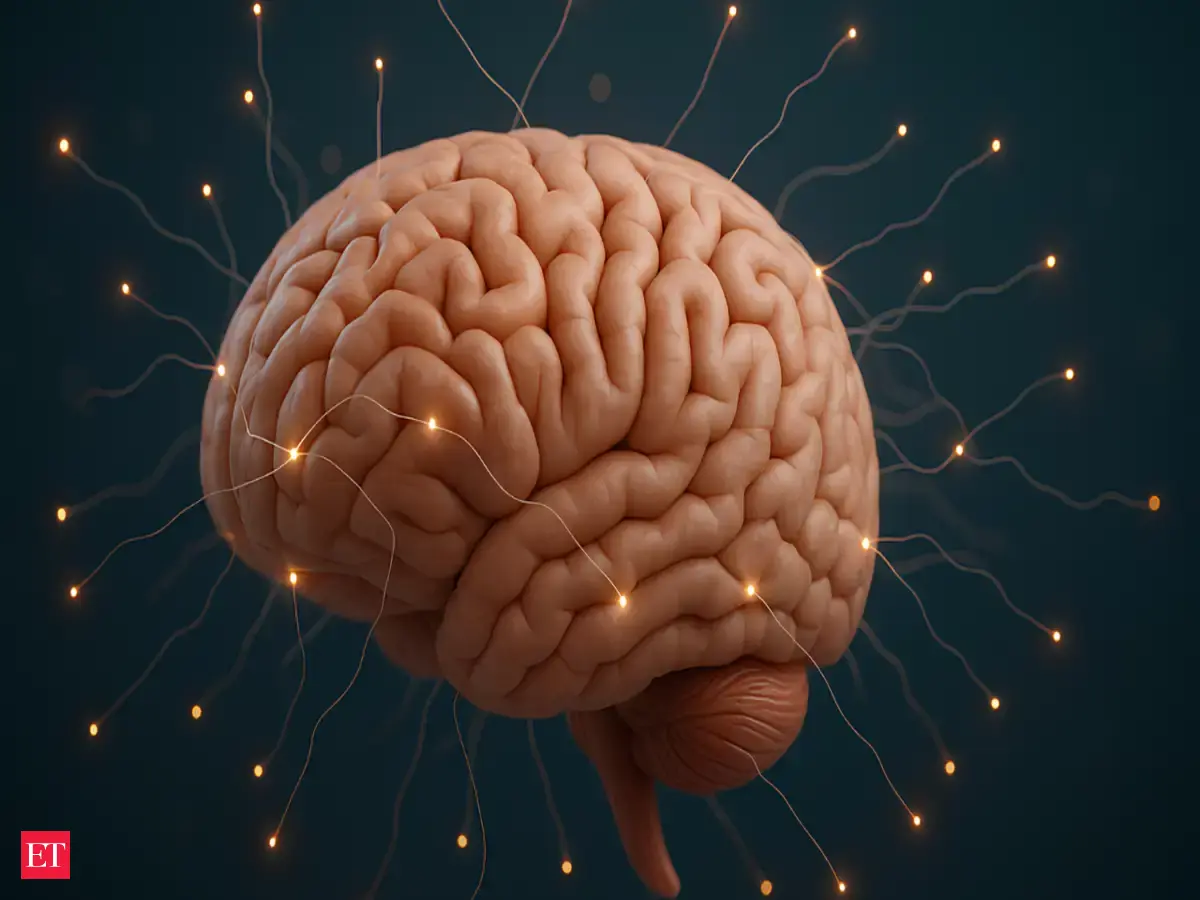
Image: The Economic Times
The term 'brain rot' has emerged as a significant topic of discussion, particularly among younger generations, as it reflects the mental health impacts of excessive digital consumption. Named Oxford's Word of the Year 2024, it highlights concerns over cognitive overload and diminished attention spans linked to social media use.
- 01'Brain rot' refers to cognitive decline from excessive exposure to trivial digital content.
- 02It is particularly prevalent among Generation Z and Generation Alpha, who spend significant time online.
- 03Symptoms include shortened attention spans, anxiety, and reduced cognitive functioning.
- 04Social media platforms, especially short-form content apps, contribute to this phenomenon.
- 05Strategies for prevention include limiting screen time and engaging in offline activities.
Advertisement
In-Article Ad
The term 'brain rot' has gained traction as a descriptor for cognitive decline associated with excessive digital consumption, especially among younger individuals. Named Oxford's Word of the Year 2024, it encapsulates concerns about mental health, attention spans, and the effects of low-quality content on social media. Researchers describe brain rot as a form of cognitive overload, primarily affecting adolescents and young adults who spend around 6.5 hours daily online. Symptoms include anxiety when away from devices, difficulty focusing on real-life tasks, and behaviors like doomscrolling and binge-watching. The design of platforms like TikTok promotes endless content consumption, leading to overstimulation and mental fatigue. The findings link brain rot to reduced attention spans, memory issues, and increased anxiety, particularly among frequent social media users. Preventive strategies include limiting screen time, curating content, and engaging in offline activities. Ultimately, while technology isn't the issue, the passive overconsumption of content without balance can significantly impact mental well-being.
Advertisement
In-Article Ad
The rise of 'brain rot' highlights the need for young people to engage in more enriching activities beyond screens, potentially improving their mental health and cognitive skills.
Advertisement
In-Article Ad
Reader Poll
Do you think excessive screen time negatively impacts mental health?
Connecting to poll...
Read the original article
Visit the source for the complete story.