


Kerala's Political Landscape: A Shift in the 2021 Election Cycle
Kerala’s Political Cycle: Why Power Alternated For 40 Years And Why 2021 Broke The Rule
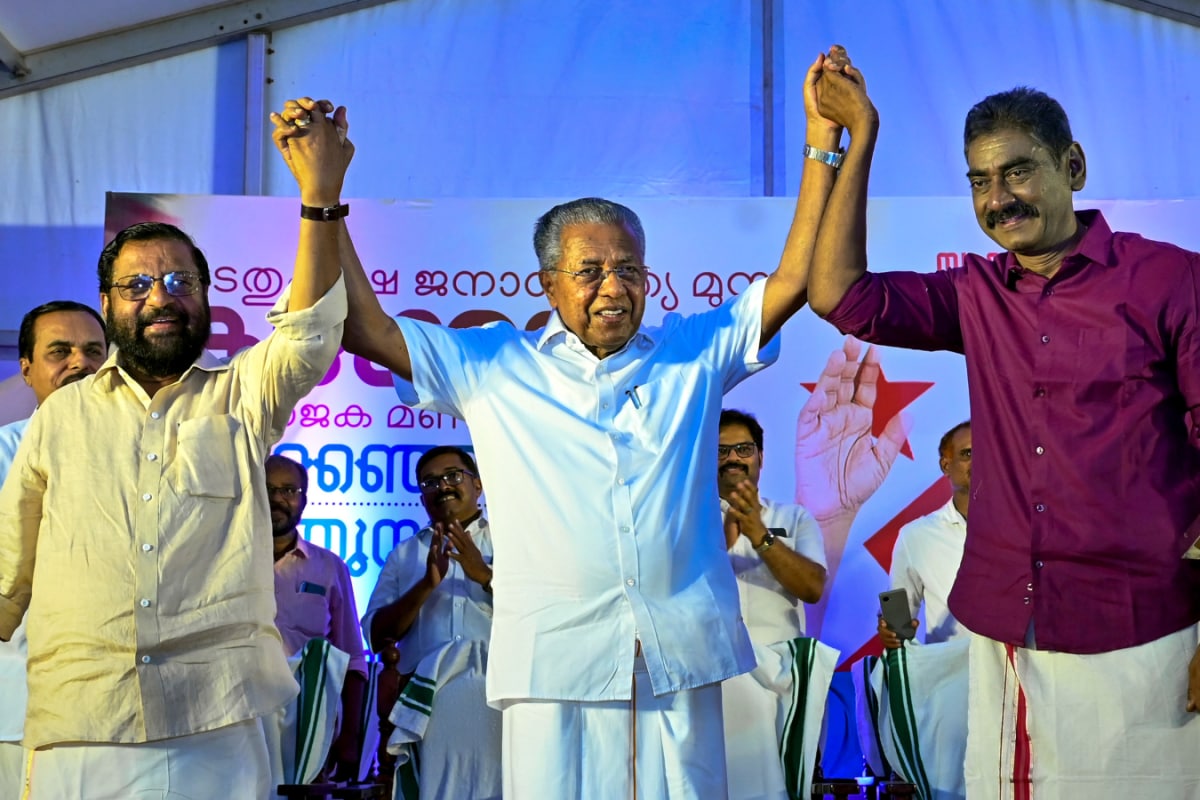
Image: news18
For nearly 40 years, Kerala's political landscape saw alternating power between the Left Democratic Front (LDF) and the United Democratic Front (UDF). However, in the 2021 Assembly elections, the LDF retained power for the first time in decades, indicating a potential shift from automatic anti-incumbency to performance-based voting.
- 01Kerala traditionally alternated power between LDF and UDF every five years from 1982 to 2016.
- 02The 2021 elections marked a significant change as the LDF retained power, breaking a long-standing pattern.
- 03Factors contributing to the LDF's success included effective crisis management and expanded welfare programs.
- 04Voter engagement and scrutiny remain high, with a shift towards performance-based evaluations rather than automatic anti-incumbency.
- 05The upcoming 2026 elections may see new dynamics, including potential competition from the Bharatiya Janata Party (BJP).
Advertisement
In-Article Ad
For almost four decades, Kerala's political scene was characterized by a consistent pattern of alternating power between the Left Democratic Front (LDF) and the United Democratic Front (UDF). This cycle, which began in 1982, continued until 2016, when the LDF broke the trend by winning 99 out of 140 seats in the 2021 Kerala Assembly election. Several factors contributed to this shift. The LDF, led by Chief Minister Pinarayi Vijayan, was recognized for its effective crisis management during events such as the 2018 floods, the Nipah virus outbreak, and the COVID-19 pandemic. Additionally, the government's focus on welfare delivery, including expanded social security pensions and public health measures, resonated with the electorate, particularly among vulnerable groups. Unlike previous elections, there was no significant anti-incumbency wave, and the UDF failed to present a compelling narrative to challenge the LDF's governance. The 2021 election results suggest a potential transition from automatic anti-incumbency to performance-based voting, with voters rewarding effective governance. As Kerala approaches the next election cycle in 2026, the political landscape may evolve, with indications of increased competition from the Bharatiya Janata Party (BJP) and the emergence of triangular contests in certain constituencies.
Advertisement
In-Article Ad
The shift in voting behavior may lead to increased accountability among political parties, encouraging them to focus on performance and governance.
Advertisement
In-Article Ad
Read the original article
Visit the source for the complete story.