

Diplomatic Efforts Highlight Limits of Peace Talks Between US and Iran
View: Failed Iran-US talks show limits of Pakistan’s peace push
 The Economic Times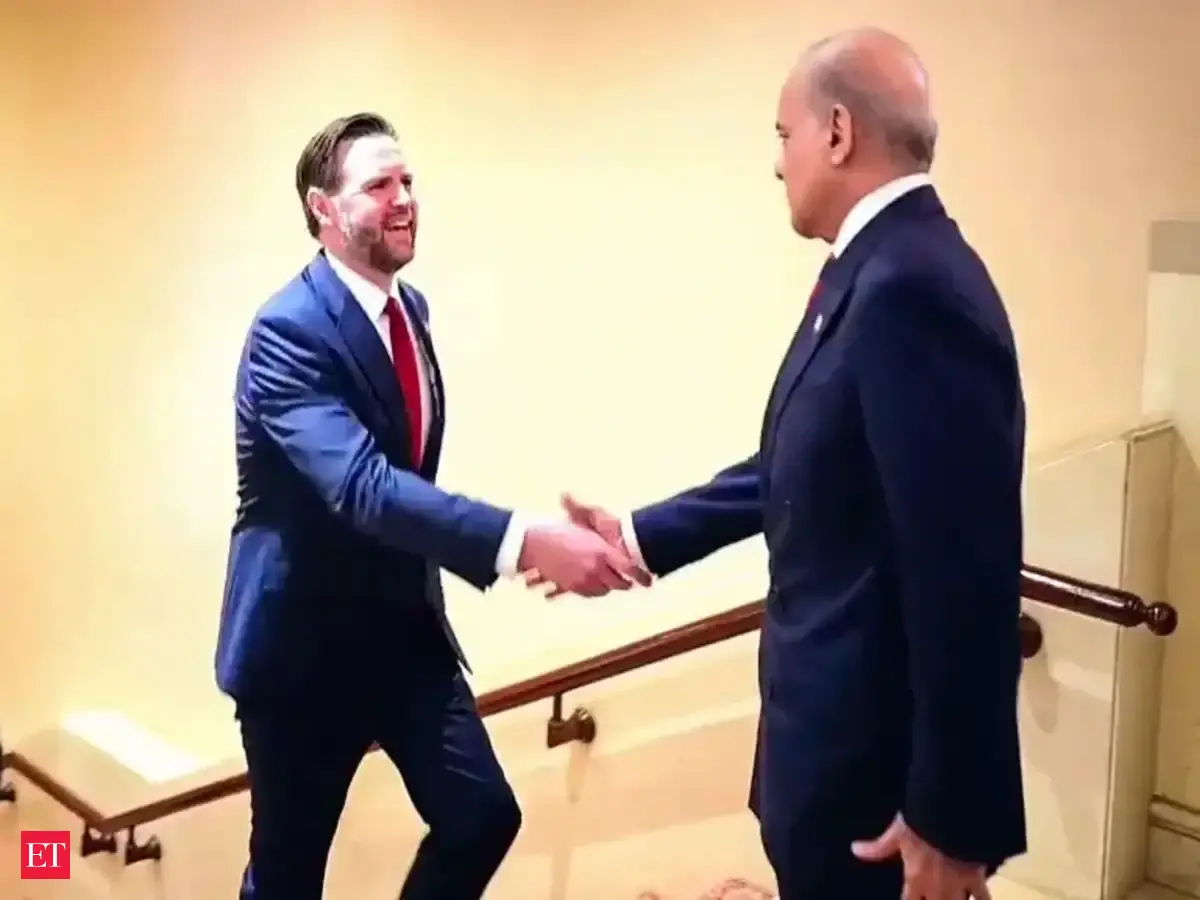
Image: The Economic Times
The recent collapse of peace talks between the US and Iran in Islamabad underscores the challenges faced by middle powers like Pakistan in navigating great-power rivalries. Despite initial success in bringing the two nations together, key issues remain unresolved, reflecting the complexities of regional diplomacy.
- 01The US-Iran peace talks in Islamabad ended without a deal after 21 hours of discussions.
- 02Pakistan, backed by China and other nations, attempted to mediate the talks amid rising tensions.
- 03Key issues include Iran's nuclear program and control over the Strait of Hormuz.
- 04The coalition's efforts highlight the challenges of diplomacy based on interests rather than trust.
- 05The situation reflects the broader geopolitical dynamics and the limitations of middle powers in influencing great powers.
Advertisement
In-Article Ad
The collapse of peace talks between the United States and Iran in Islamabad serves as a stark reminder of the fragile nature of diplomacy amid great-power rivalries. Led by Pakistan and supported by China, Saudi Arabia, Turkey, and Egypt, the coalition succeeded in bringing the two nations to the negotiating table. However, after 21 hours of discussions, Vice President JD Vance returned to the US without a deal, as key issues like Iran's nuclear program and control of the Strait of Hormuz remained unresolved. This incident underscores the complexities of regional diplomacy, particularly as tensions escalate, with President Donald Trump ordering a naval blockade of the strategic waterway. Pakistan's role as a mediator is significant, given its historical connections and current relationships with Washington, Tehran, and Beijing. Despite the coalition's efforts, the lack of trust among the nations involved and the entrenched positions of the US and Iran highlight the limitations of such diplomatic initiatives. The situation illustrates that while a new generation of nations is willing to take diplomatic risks, the outcomes remain uncertain when great powers are at odds.
Advertisement
In-Article Ad
The failure of these talks could lead to increased regional instability, affecting Pakistan directly due to its proximity to Iran and its commitments to Saudi Arabia.
Advertisement
In-Article Ad
Reader Poll
Do you think middle powers like Pakistan can effectively mediate between great powers?
Connecting to poll...
More about United States
Trump Claims Strait of Hormuz Will Reopen Amid Ongoing Ceasefire with Iran
The Economic Times • Apr 11, 2026
Iran and US Negotiations in Islamabad Face Uncertainty Amid Pre-Talk Threats
The Indian Express • Apr 11, 2026

US-Iran Talks in Islamabad Amid Tensions Over Lebanon's Inclusion in Ceasefire
Hindustan Times • Apr 9, 2026
Read the original article
Visit the source for the complete story.