



Trump's Controversial $400 Million White House Ballroom Faces Legal Hurdles
Why Trump’s ‘Greatest Ballroom’ For White House Has Become Political Stage Even Before Being Built
 News 18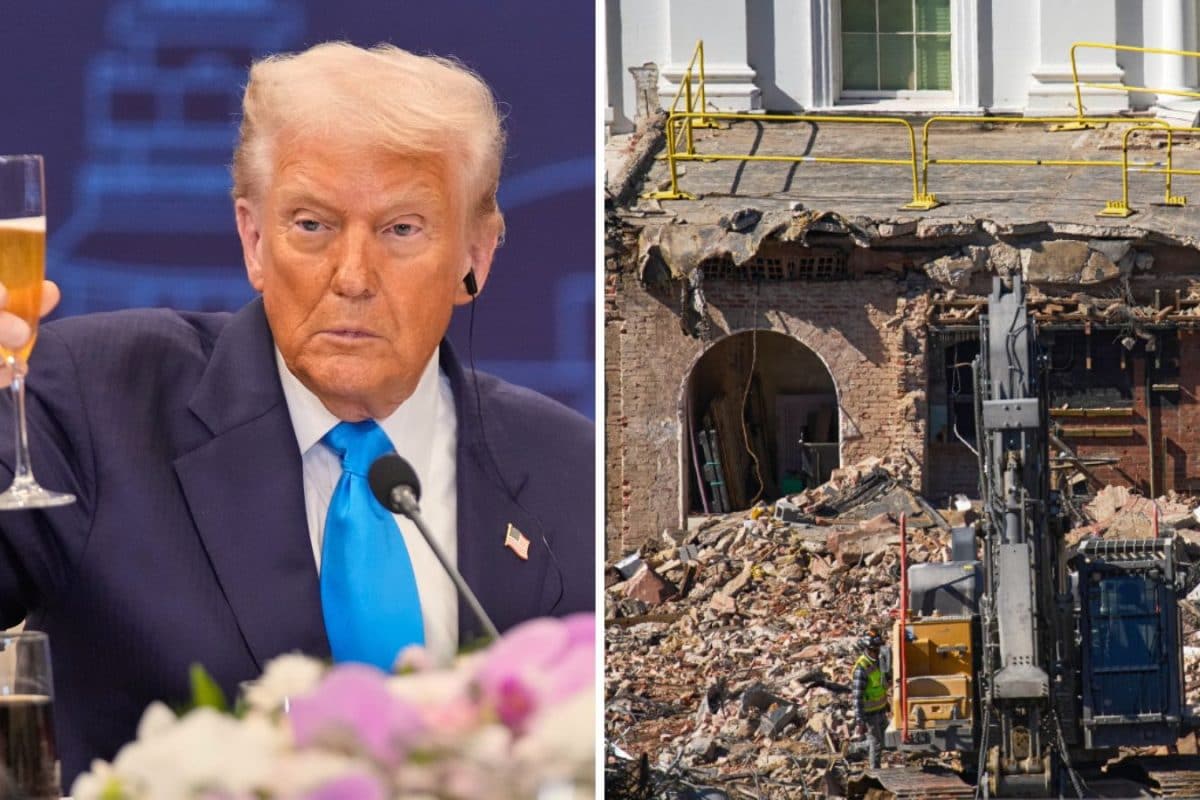
Image: News 18
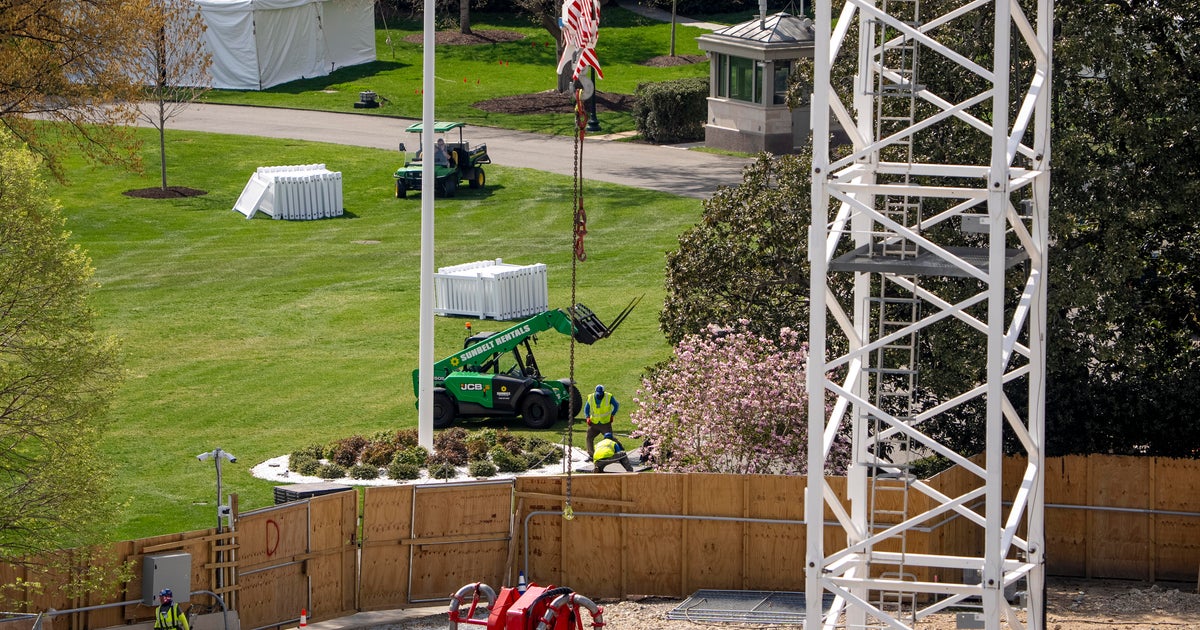
President Donald Trump's plan to construct a $400 million ballroom at the White House has sparked controversy due to the unilateral demolition of the historic East Wing without congressional approval. Despite a federal judge's ruling halting construction, a key agency granted approval for the project, raising concerns about heritage preservation and political influence.
- 01The $400 million ballroom project has faced legal challenges, including a federal judge's ruling against unilateral changes to the White House.
- 02The National Capital Planning Commission approved the design despite public opposition and ongoing legal battles.
- 03Critics argue the project undermines historical preservation and raises ethical concerns regarding private funding from corporations.
- 04The ballroom is intended to enhance the White House's capacity for hosting state events, reflecting Trump's real estate background.
- 05The demolition of the East Wing has become a symbol of broader political divides in the U.S.
Advertisement
In-Article Ad
President Donald Trump's ambitious plan to build a $400 million ballroom at the White House has ignited significant controversy, particularly following the unilateral demolition of the historic East Wing. This action was taken without congressional approval, prompting a federal judge to issue a temporary halt to construction. The National Capital Planning Commission, however, approved the ballroom's design, allowing the project to proceed amidst ongoing legal disputes. Critics, including the National Trust for Historic Preservation, argue that the project violates federal laws and undermines the integrity of a national landmark. The ballroom, which is set to be 90,000 square feet, aims to provide a more permanent venue for state events, moving away from temporary setups. Trump's administration has faced backlash over the funding sources, which include significant donations from corporations, raising ethical concerns about influence and access. This project embodies the political divide in the U.S., with supporters viewing it as a modernization effort and opponents seeing it as a threat to historical preservation.
Advertisement
In-Article Ad
The construction of the ballroom could alter how state events are conducted, potentially affecting local businesses and services related to event hosting.
Advertisement
In-Article Ad
Reader Poll
Do you support the construction of the new ballroom at the White House?
Connecting to poll...
More about National Capital Planning Commission
Read the original article
Visit the source for the complete story.