




India to Release 7 mmscmd of Natural Gas Amid Supply Crisis from Iran Conflict
Iran war: Natural gas pool set to release 7 mmscmd to priority sectors amid supply crunch
 The Economic Times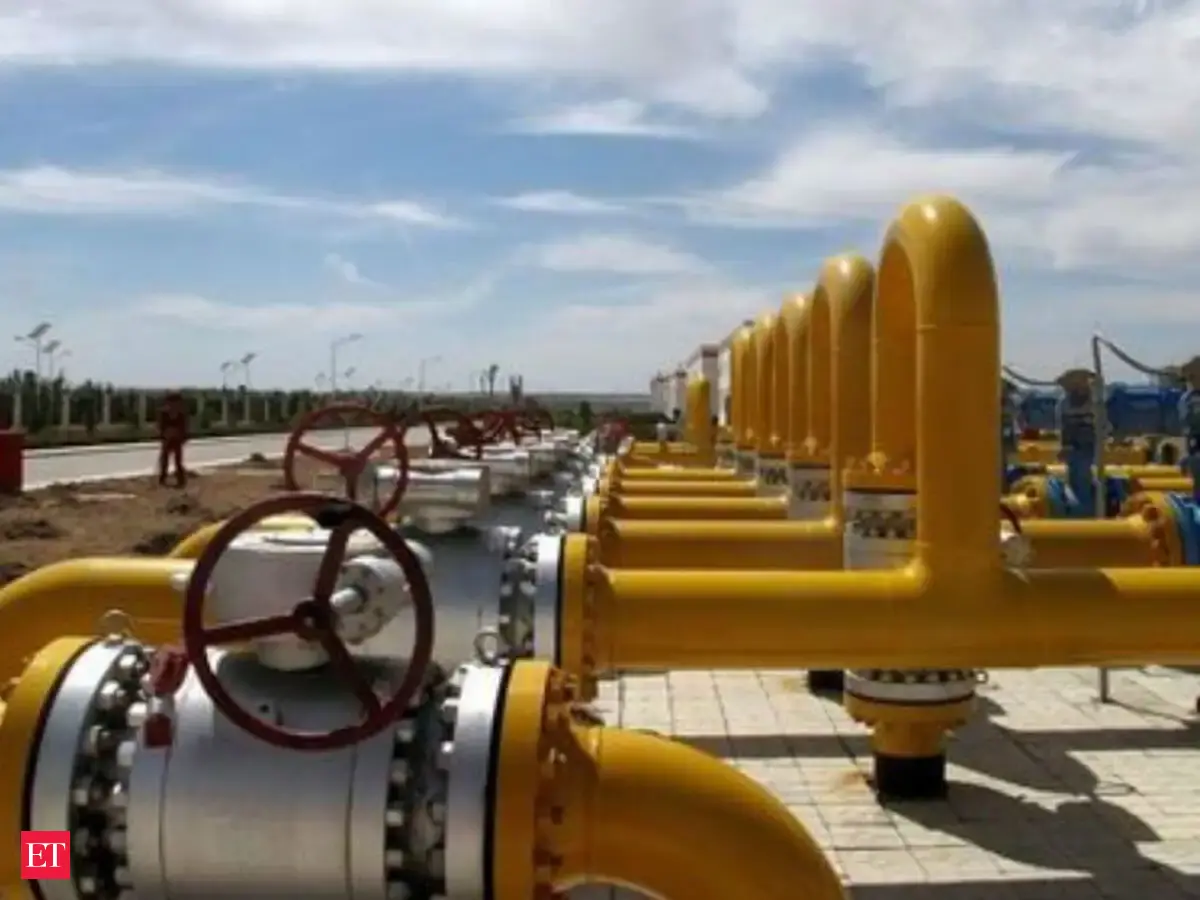
Image: The Economic Times
In response to a supply crunch caused by the Iran war, the Indian government plans to allocate 7 million metric standard cubic meters per day (mmscmd) of natural gas to priority sectors, including city gas distributors and fertilizer manufacturers. The gas will be priced at approximately $11.60 per metric million British thermal unit (mmbtu), with additional charges from Gail, the overseeing agency.
- 017 mmscmd of natural gas will be allocated to priority sectors due to supply issues from the Iran conflict.
- 02Gas pricing is set at approximately $11.60 per mmbtu, with an additional charge from Gail.
- 03The allocation prioritizes piped natural gas for households and CNG for transport.
- 04Fertilizer plants will see supply caps raised to 90% of their average consumption starting April 6, 2026.
- 05Stakeholders are pushing back against Gail's additional charge, arguing it is unjustified.
Advertisement
In-Article Ad
Amid a significant supply crunch resulting from the ongoing conflict in Iran, the Indian government has announced plans to make 7 million metric standard cubic meters per day (mmscmd) of natural gas available to priority sectors, including city gas distributors and fertilizer manufacturers. This decision follows a sharp decline in natural gas imports, which fell by 60% after the Iranian attack on Qatar’s LNG facility and the effective closure of the Strait of Hormuz. The gas will be priced at around $11.60 per metric million British thermal unit (mmbtu), with an additional charge of $0.20 per mmbtu imposed by Gail (Gas Authority of India Limited), which is responsible for managing the supply. Stakeholders have expressed concerns over this charge, arguing that it is unnecessary as Gail operates under a government mandate without significant market risk. The priority allocation includes piped natural gas for households and compressed natural gas (CNG) for transport, with fertilizer plants receiving a supply cap increase to 90% of their average consumption effective April 6, 2026. This strategic move aims to ensure that essential sectors continue to receive adequate gas supplies during the ongoing crisis.
Advertisement
In-Article Ad
This gas allocation is crucial for maintaining energy supply for households and industries, potentially stabilizing costs for consumers and ensuring fertilizer production remains viable.
Advertisement
In-Article Ad
Reader Poll
Do you support the government's decision to allocate natural gas to priority sectors during the supply crunch?
Connecting to poll...
Read the original article
Visit the source for the complete story.