


The Rise of Rapid Fashion: Can Quick Commerce Sustain Itself?
Rapid fashion companies dress to kill...how fit is the model?
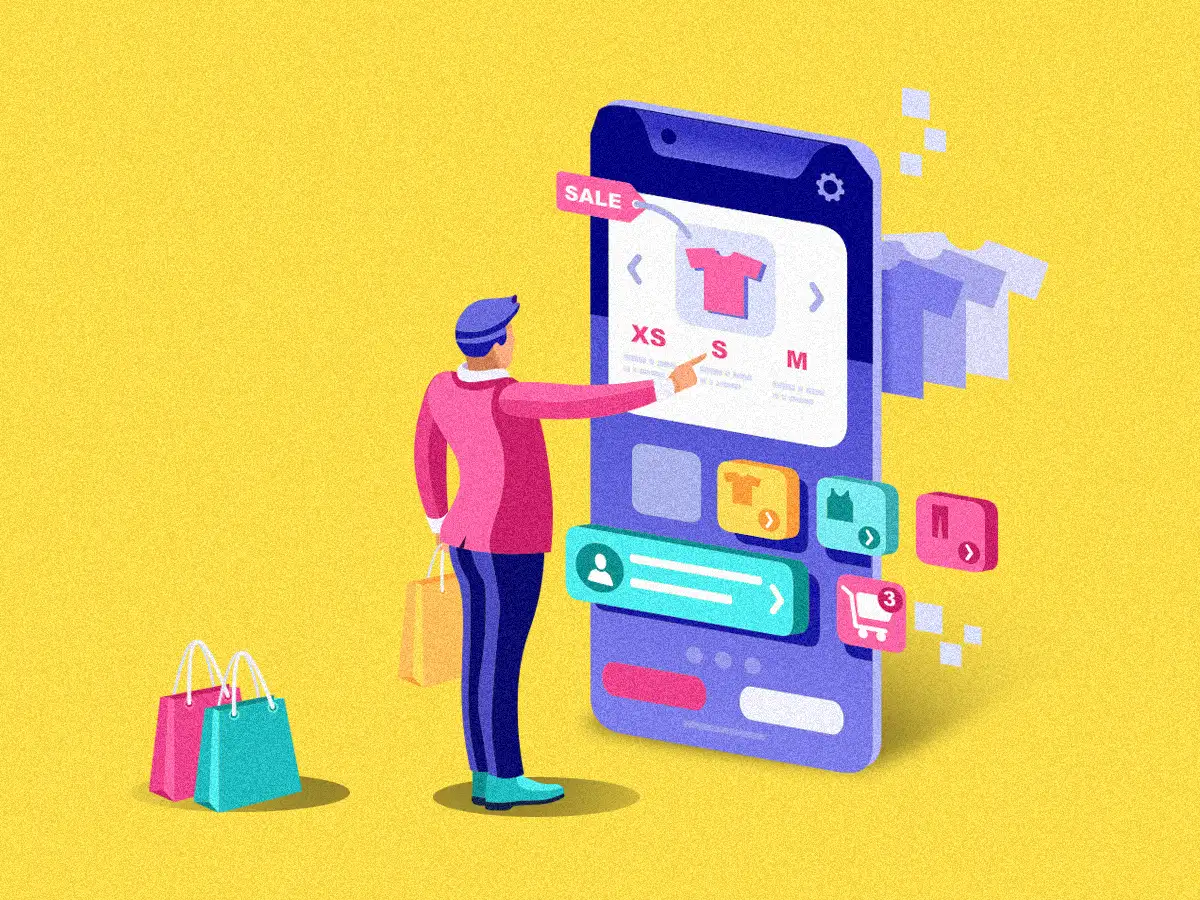
Image: The Economic Times
A new wave of startups in India is revolutionizing the fashion industry by offering rapid delivery of clothing and accessories in under an hour. However, high cash burn and fluctuating demand raise concerns about the sustainability of this quick-commerce model, despite attracting significant investment.
- 01Rapid fashion startups are burning $3 million monthly to attract customers.
- 02Investors see potential in the quick commerce market, currently valued at $1.7-2 billion.
- 03Startups are implementing AI to manage inventory and predict trends.
- 04High order density and a diverse product portfolio are crucial for success.
- 05Innovative delivery models, like partnerships with brand stores, are emerging.
Advertisement
In-Article Ad
A new wave of venture-backed startups in India is reshaping the fashion landscape by providing rapid delivery services for clothing, footwear, and accessories, promising delivery in under an hour in major cities. Companies like Knot, Slikk, and Zilo, along with the rapid delivery arms of established platforms like Myntra and Ajio, collectively incurred a cash burn of $3 million in March 2023 alone. Despite these financial challenges, the segment is attracting investor interest, with startups raising significant funds; for instance, Zilo secured $15.3 million in February. The quick commerce market for fashion is currently valued between $1.7-2 billion. However, experts caution that the model's success hinges on maintaining high order density and offering a diverse range of products. Startups are utilizing artificial intelligence to better manage inventory and predict fashion trends, but challenges remain in meeting consumer expectations for variety. Innovative approaches, such as integrating brand stores into their inventory systems, are being explored to enhance customer choice and experience.
Advertisement
In-Article Ad
The rapid fashion model could significantly alter shopping habits for young consumers in urban areas, offering immediate access to trendy clothing.
Advertisement
In-Article Ad
Reader Poll
Do you think rapid fashion delivery services will succeed in the long run?
Connecting to poll...
Read the original article
Visit the source for the complete story.