

Eight Years After Beacon Ban, VIP Culture Persists in India
'Laal Batti' Gone, Everything Else Remains: 8 Yrs On, VIP Culture Travels Incognito — And It Isn't Just UP
 News 18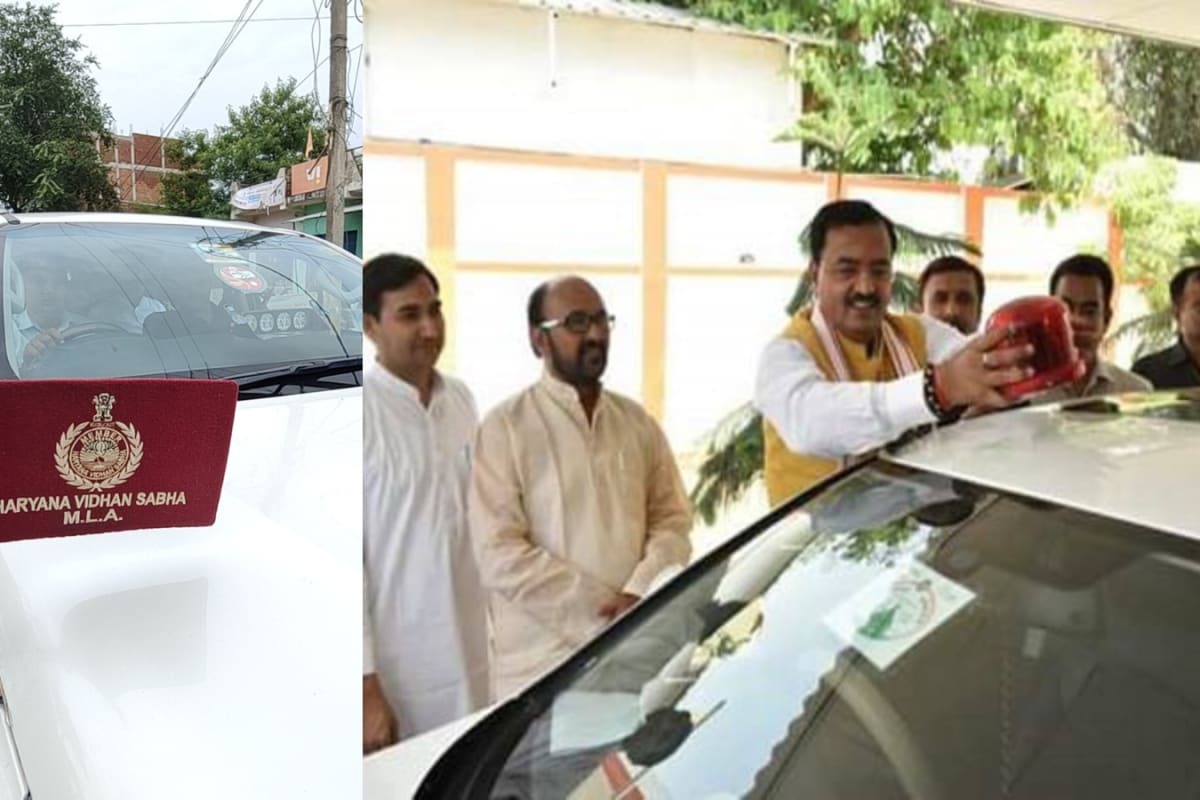
Image: News 18
Despite the 2017 ban on VIP beacons in India, particularly in Uttar Pradesh, the culture of entitlement remains prevalent. New symbols of status, such as multicolored lights and institutional labels, have emerged, allowing powerful individuals to assert their authority on the roads.
- 01The 2017 ban on VIP beacons was intended to eliminate the culture of entitlement.
- 02New status symbols have emerged, including multicolored lights and institutional insignias.
- 03Legal provisions still restrict the use of beacons, but many find workarounds.
- 04Similar practices are observed in other states like Haryana.
- 05Experts argue that the mindset of entitlement persists despite the ban.
Advertisement
In-Article Ad
In April 2017, the Indian government led by Prime Minister Narendra Modi banned the use of VIP beacons, declaring that vehicles with such lights have no place in a democratic society. This move was celebrated as a significant step towards reducing the culture of entitlement among public officials. However, eight years later, the situation in Uttar Pradesh reveals that while the red lights are gone, the underlying culture remains unchanged. New status symbols, such as multicolored lights, flags, and embroidered insignias, have replaced the beacons, allowing powerful individuals to assert their authority on the roads. Legal restrictions still apply, permitting colored beacons only for emergency and law enforcement vehicles. Critics have pointed out that these new symbols serve the same purpose as the old beacons. Similar trends have been observed in other states, such as Haryana, where MLAs were given red flags for their vehicles. Experts note that simply banning symbols without addressing the mindset behind them is ineffective. The culture of entitlement in India continues to thrive, albeit in more covert forms.
Advertisement
In-Article Ad
The persistence of VIP culture affects ordinary citizens, as powerful individuals continue to assert their authority on the roads, leading to traffic disruptions and a sense of inequality.
Advertisement
In-Article Ad
Reader Poll
Has the ban on VIP beacons effectively reduced entitlement culture in India?
Connecting to poll...
Read the original article
Visit the source for the complete story.