Ancient Roman Tomb Unearthed in Apollosa After Heavy Rainfall
Buried for Centuries, Revealed in Days: A Roman Tomb Surfaces After Rain
 The Economic Times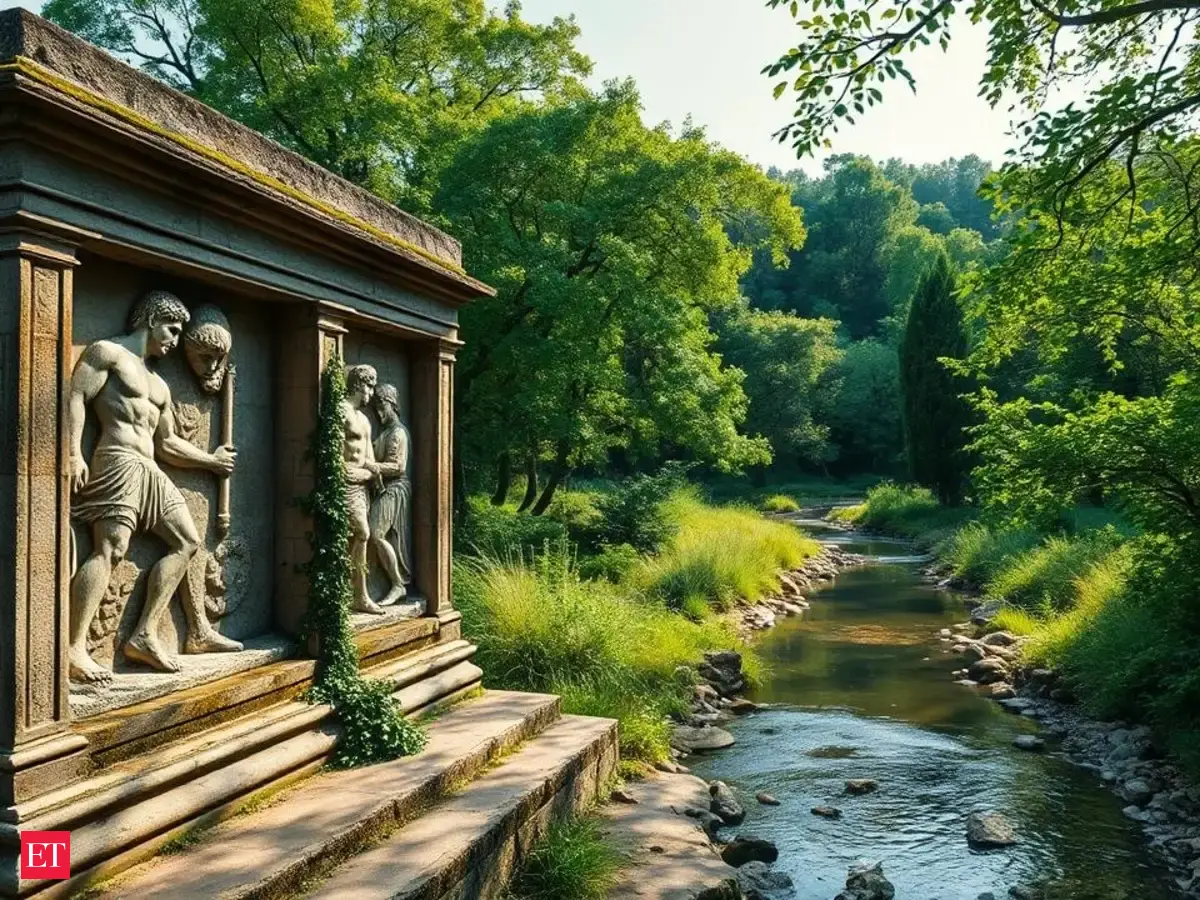
Image: The Economic Times
A Roman mausoleum, buried for nearly two millennia, has been uncovered in Apollosa, Italy, following unprecedented rainfall in March 2026. The tomb, featuring unique carvings of gladiators, highlights the social significance of such monuments along the historic Appian Way, emphasizing their role in public memory.
- 01A Roman mausoleum was discovered in Apollosa, Italy, after heavy rains caused erosion.
- 02The tomb features unique carvings of gladiators, which are rare in funerary monuments.
- 03Its location along the Appian Way indicates its intended visibility to the public.
- 04Excavations reveal a well-preserved structure, potentially containing decorated chambers.
- 05Plans are underway for a digital reconstruction and integration into heritage routes.
Advertisement
In-Article Ad
In March 2026, heavy rains in Apollosa, Italy, led to the unexpected discovery of a Roman mausoleum that had been buried for nearly two thousand years. The structure, approximately 12 meters in diameter, is made of solid limestone and features intricate carvings of gladiators, a rarity in Roman funerary art. These carvings suggest a deeper social significance, as gladiators were not just fighters but also celebrities within the Roman social fabric. The tomb's strategic placement along the Appian Way, a major thoroughfare, indicates it was designed to be prominently displayed to passersby, contributing to collective memory. Ongoing excavations have revealed around twenty large stone blocks and a possible entrance to an inner chamber, which may contain frescoes. The preservation of this site allows researchers to gain insights into Roman construction and societal values. Plans for a digital reconstruction are in discussion, aimed at protecting the site while enhancing its accessibility as part of heritage routes.
Advertisement
In-Article Ad
The discovery of the tomb could enhance local tourism and heritage appreciation, drawing visitors interested in Roman history.
Advertisement
In-Article Ad
Reader Poll
How important is it to preserve archaeological sites like this Roman tomb?
Connecting to poll...
Read the original article
Visit the source for the complete story.