


Exploring the Paradox of Freedom and Loneliness in Charles Bukowski's Quote
Quote of the day by Charles Bukowski: 'When nobody wakes you up in the morning and you can do whatever you want. Is it freedom or loneliness?' The isolating paradox of independence questioned by the legendary American writer
 The Economic Times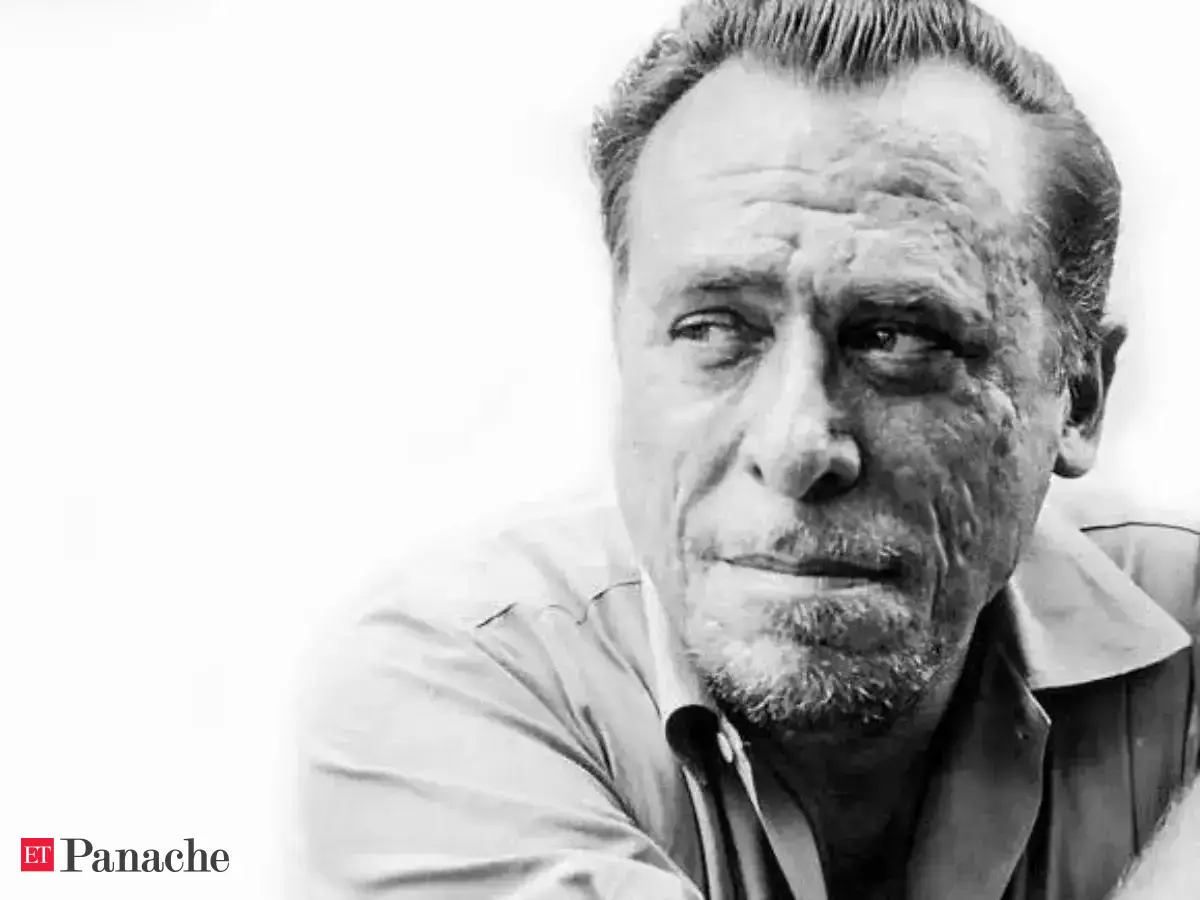
Image: The Economic Times
Charles Bukowski's poignant quote questions whether true freedom exists without companionship, highlighting the paradox of independence. While autonomy offers the thrill of choice, it can also lead to profound loneliness. This reflection is especially relevant in today's world, where many experience freedom yet grapple with social isolation.
- 01Bukowski's quote highlights the tension between freedom and loneliness.
- 02Independence can lead to feelings of isolation despite the allure of choice.
- 03Bukowski's life experiences shaped his understanding of solitude and suffering.
- 04His literary alter ego, Henry Chinaski, explores the complexities of independence.
- 05The modern context of remote work and urban living amplifies this paradox.
Advertisement
In-Article Ad
Charles Bukowski, the influential American poet and novelist, raises a thought-provoking question: is the freedom to live independently a source of liberation or loneliness? His quote reflects on the paradox of autonomy, suggesting that while the ability to make choices without constraints can feel exhilarating, it often comes at the cost of companionship. Bukowski's own life experiences, marked by hardship and social alienation, deeply informed his work, particularly through his literary alter ego, Henry Chinaski. This character embodies the struggles and joys of living life on one's own terms, revealing the emotional complexities of solitude. In today's world, where many enjoy unprecedented freedom through remote work and digital communication, Bukowski's insights resonate strongly. His writing, characterized by raw honesty, encourages readers to consider the balance between independence and meaningful human connections. Ultimately, Bukowski suggests that true freedom is enriched by shared experiences, prompting reflection on what constitutes a fulfilling life.
Advertisement
In-Article Ad
Advertisement
In-Article Ad
Reader Poll
Do you believe that true freedom can exist without companionship?
Connecting to poll...
Read the original article
Visit the source for the complete story.