

Impact of US-Israel War on Iran: A Shift to Hard-Line Leadership
US-Israel War Changed Iran’s Regime For The Worse? Khamenei To IRGC, 3 Reasons Why
 News 18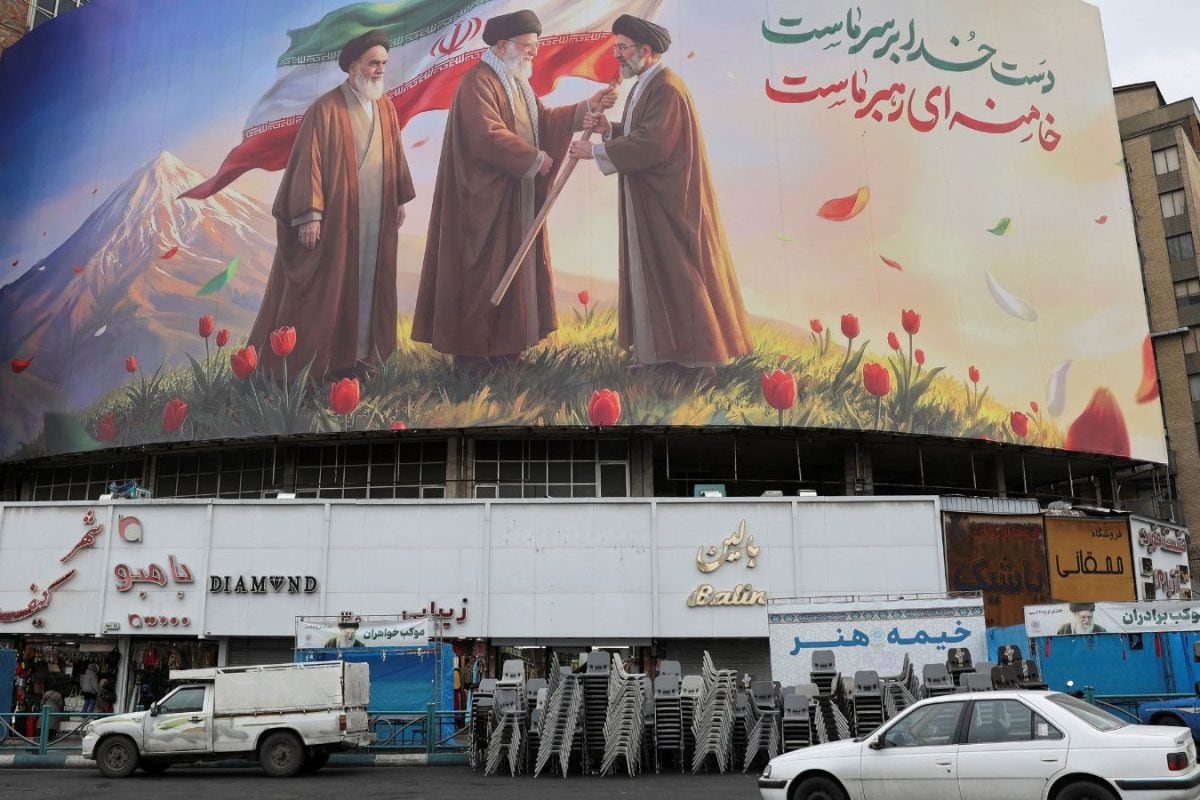
Image: News 18
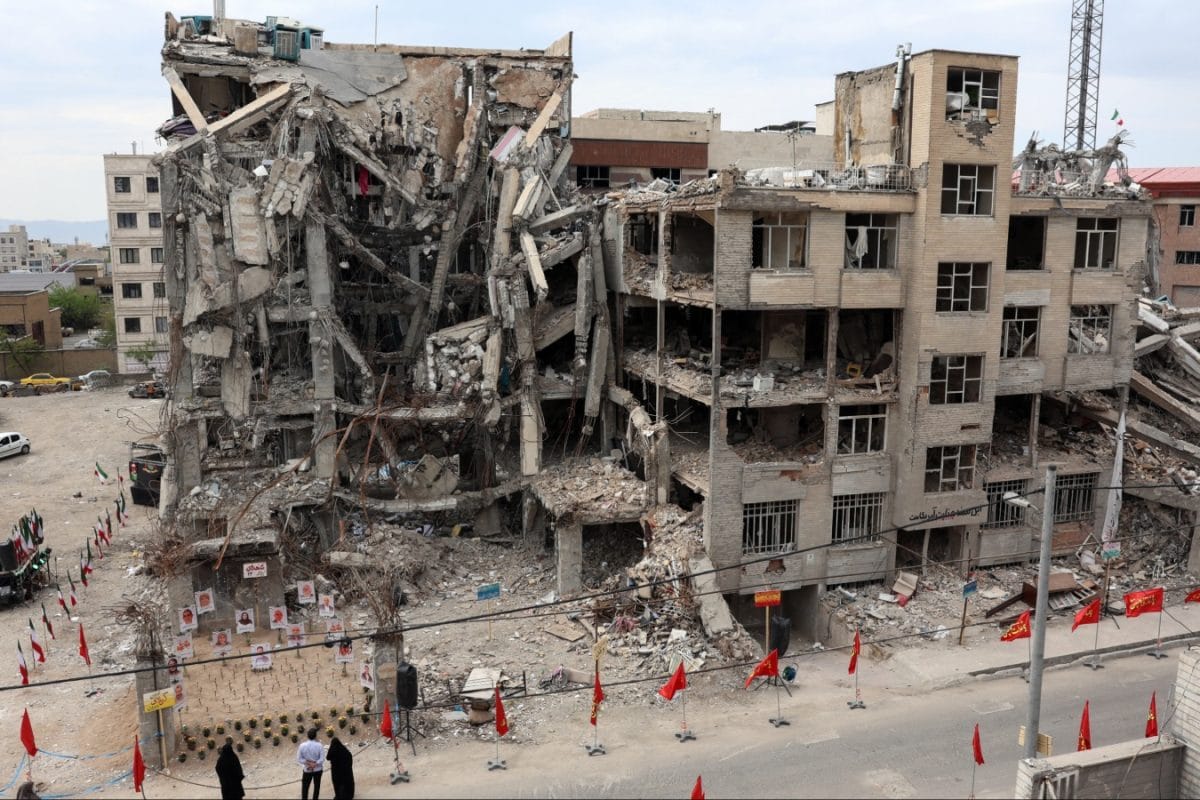
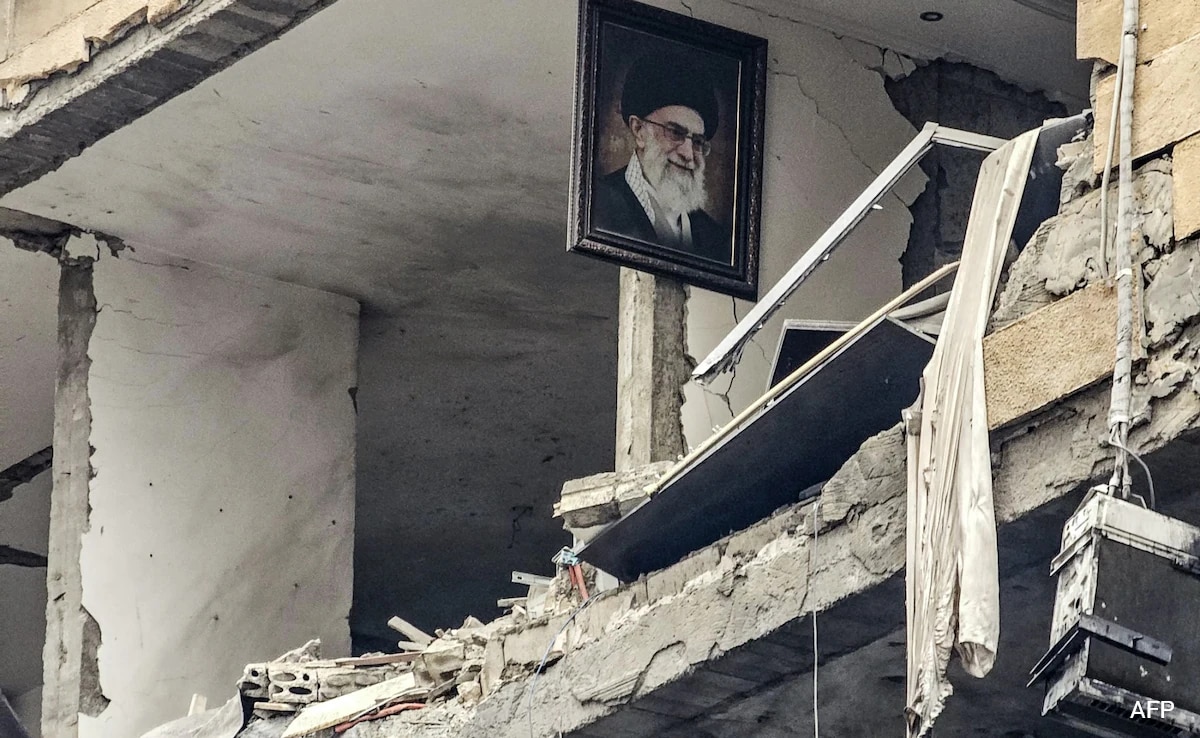
The US-Israel war on Iran, which began in February, has resulted in a regime change that analysts describe as more dangerous. The new leadership under Mojtaba Khamenei has intensified hard-line policies, increased the dominance of the Islamic Revolutionary Guard Corps (IRGC), and escalated domestic repression and military aggression.
- 01Mojtaba Khamenei has become the new Supreme Leader of Iran, leading a more radical regime.
- 02The Islamic Revolutionary Guard Corps (IRGC) has gained increased power, influencing military strategies.
- 03Iran's control over the Strait of Hormuz poses risks to global oil supplies.
- 04Domestic suppression has intensified, with crackdowns on protests and dissent.
- 05The potential for accelerated nuclear development under the new leadership raises international concerns.
Advertisement
In-Article Ad
The US-Israel war, initiated in February, has led to significant changes in Iran's political landscape, resulting in a regime described as more dangerous than before. Following the assassination of Supreme Leader Ali Khamenei, his son, Mojtaba Khamenei, has taken over, marking a shift towards a hard-line leadership that is less inclined to pursue political compromise. Analysts report that the Islamic Revolutionary Guard Corps (IRGC) has strengthened its grip on power, with more extreme factions now in charge, which increases the likelihood of ongoing conflict. The leadership's military strategy has shifted to a more aggressive stance, raising concerns about the potential for further escalation. Additionally, Iran's control over the Strait of Hormuz, a critical chokepoint for global oil supplies, has become more pronounced, with the regime using its influence to threaten shipping routes. Domestically, the government has intensified crackdowns on dissent, utilizing arrests and executions to suppress the 2026 Iranian Uprising, the largest protest movement since 1979. The current state of US-Iran relations is marked by direct conflict, including a naval blockade by the US and a fragile ceasefire, as tensions remain high with threats of renewed military action should Iran not comply with demands regarding the Strait of Hormuz.
Advertisement
In-Article Ad
The intensified repression and hardline policies under the new leadership could lead to increased instability and conflict, affecting everyday life in Iran and the broader region.
Advertisement
In-Article Ad
Reader Poll
Do you believe the international community should intervene in Iran's internal affairs?
Connecting to poll...
More about Islamic Revolutionary Guard Corps
Read the original article
Visit the source for the complete story.