



The Impact of India's 1969 Bank Nationalisation: A Historical Overview
Explained: Bank nationalisation of 1969 as the defining economic decision in Independent India
 The Indian Express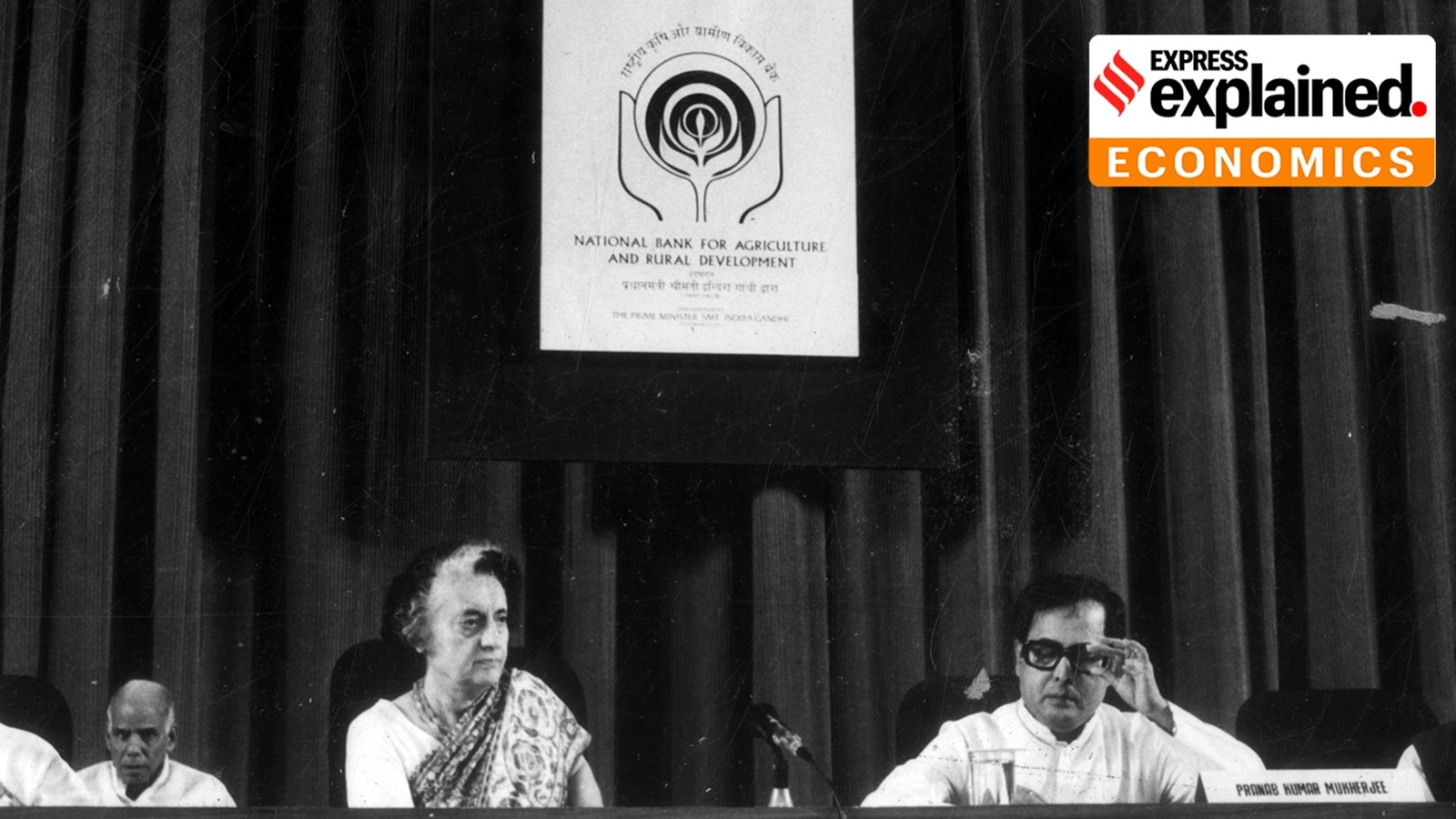
Image: The Indian Express
The nationalisation of 14 major banks in India on July 19, 1969, led by Prime Minister Indira Gandhi, is viewed as a pivotal economic decision post-Independence. This move aimed to enhance financial access in rural areas and align banking with social goals, reshaping the Indian banking landscape and influencing subsequent economic policies.
- 01Indira Gandhi nationalised 14 major banks on July 19, 1969, marking a significant shift in India's economic policy.
- 02The decision aimed to improve banking access in rural and semi-urban areas, addressing the needs of agriculture and small industries.
- 03The nationalisation was rooted in the government's commitment to a socialist framework, diverging from profit-driven private banking.
- 04Political tensions led to a split in the Congress party, with Gandhi positioning herself as a champion of the masses.
- 05The decision's impact is still felt today, influencing the structure and operations of India's banking system.
Advertisement
In-Article Ad
On July 19, 1969, Prime Minister Indira Gandhi nationalised 14 major banks in India, a landmark decision viewed as the most consequential economic policy since Independence in 1947. This move aimed to address the limited banking access in rural and semi-urban areas, where private banks had failed to meet the credit needs of agriculture and small industries. The nationalisation was part of a broader commitment to a socialist framework, which sought to align the financial system with developmental goals. Prior to this, the banking landscape was dominated by private institutions focused on profit, leading to a perception that they were neglecting their societal responsibilities. The decision was not without controversy; it was influenced by internal political strife within the Congress party, culminating in a split between Gandhi's faction and her opponents. Despite resistance from some quarters, the nationalisation set the stage for increased state control over banking, reshaping the economic landscape of India. The reverberations of this decision continue to influence banking policies and practices in the country.
Advertisement
In-Article Ad
The nationalisation of banks aimed to provide greater financial access to underserved populations, particularly in rural areas, which could lead to improved economic opportunities for farmers and small businesses.
Advertisement
In-Article Ad
Reader Poll
Was the bank nationalisation of 1969 a necessary step for India's economy?
Connecting to poll...
More about Reserve Bank of India
RBI Simplifies Branch Expansion Rules for Non-Banking Financial Companies
News 18 • Apr 16, 2026

Power Finance Corporation Shares Surge 5% to New High Amid Rising Power Demand
The Economic Times • Apr 16, 2026

Indian Corporates Cut Overseas Bond Issuances Amid Local Liquidity and Currency Concerns
The Economic Times • Apr 16, 2026
Read the original article
Visit the source for the complete story.