




Innovative Method Unlocks Structural Insights of Phenolic Compounds from Rare Alpine Flowers
New Method Enables Structural Determination of Diverse Phenolic Compounds from a Tiny Alpine Flower Sample
 Businesswire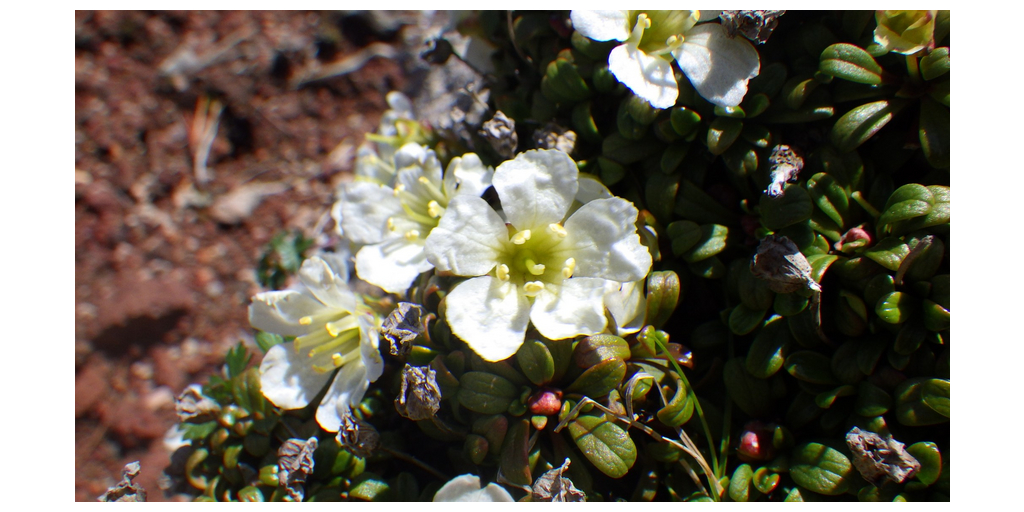
Image: Businesswire
Researchers from Tokyo University of Agriculture and Technology and Rigaku Corporation have developed a groundbreaking method to analyze phenolic compounds from the alpine flower Diapensia lapponica. This technique, which allows for structural determination from tiny samples, could advance research in various fields including agriculture and pharmaceuticals.
- 01A new method enables structural analysis of phenolic compounds from extremely small samples.
- 02The research focuses on Diapensia lapponica, an alpine flower with limited availability due to environmental restrictions.
- 03Techniques used include high-performance liquid chromatography and single-crystal X-ray diffraction.
- 04The study reveals diverse phenolic compounds with potential health benefits.
- 05Future applications may extend to rare and endangered plant species.
Advertisement
In-Article Ad
A research team from Tokyo University of Agriculture and Technology and Rigaku Corporation has successfully determined the structures of over ten phenolic glycosides from a minuscule sample of the alpine flower Diapensia lapponica. This achievement is significant due to the challenges in collecting samples from alpine environments, where plants are small and legally protected. The team developed a trace analysis method that utilizes high-performance liquid chromatography (HPLC) and advanced techniques like single-crystal X-ray diffraction (SC-XRD) to analyze these compounds. Their findings, published in the Journal of Molecular Structure on February 22, 2026, highlight the presence of flavonoids and other phenolic compounds in the flower, which are recognized for their potential health benefits. This method not only aids in the study of alpine plants but could also be applied to explore underutilized biological resources in various fields, including agriculture and pharmaceuticals. The research also emphasizes the geographical variation in the accumulation of these compounds, paving the way for further studies on rare and endangered species.
Advertisement
In-Article Ad
This research could enhance the understanding of alpine ecosystems and promote conservation efforts for rare plant species.
Advertisement
In-Article Ad
Reader Poll
How important is research on alpine plants for biodiversity conservation?
Connecting to poll...
Read the original article
Visit the source for the complete story.